

Can Swimming Cause Ear Infections? Causes, Risks & Prevention
Our Observations
- Swimming can cause ear infections by trapping water in the ear canal and creating a warm, moist environment in which bacteria and fungi can flourish. Tip your head and shake gently to help water drain after swimming.
- Excessive or deep swimming and poor ear care can strip away protective earwax and weaken the skin of the ear canal. Don’t scour your ears with cotton tips and stay out of the water as much as you can!
- Kids, regular swimmers, people with skin disorders, and individuals with a history of ear infections or compromised immune systems are more vulnerable. Be sure to exercise heightened caution and closely observe symptoms.
- Watch for early signs of itching, mild discomfort or fullness, slight redness, and clear drainage. Strike early to dry the ear and minimize water contact to prevent it from worsening.
- Good practical prevention tips include wearing waterproof earplugs or a swim cap, not swimming with an active ear problem, tilting and drying your ears after swimming, and using alcohol-based drops or recommended barrier drops when indicated.
- Seek medical care if symptoms worsen, if you have severe pain, fever, or pus-like discharge, or if infections recur. Prompt evaluation prevents complications and guides appropriate treatment.

- Relief from swimmer’s ear: Debrox Swimmer’s Ear Drops dry water-clogged ears after water-based activities such as swimming, bathing or showering
- Simple ingredients: Formulated with 95% isopropyl alcohol, Debrox Swimmer’s Ear Drops efficiently relieve ear discomfort associated with water-based activities
- Convenient comfort: Contains 1 fl oz bottle of ear drying drops; a travel necessity for family vacations, beach outings and pool days
- Safe for the whole family: Debrox ear drops for clogged ears are safe for kids and adults; to use, simply place 4–5 drops in each affected ear for relief from pressure and discomfort
- Trusted brand: For relief from swimmer’s ear, you can count on Debrox, the #1 Swimmer’s Ear Brand (Source: IRI Circana, April 2026)

Last update on 2026-08-21 / Affiliate links / Images from Amazon Product Advertising API
Swimming can cause ear infections.
Yes, water in the ear can increase the risk of infection by harboring bacteria or fungi in the ear canal. Frequent swimming, small abrasions, or existing earwax jams increase the risk.
Cold water and extended swims put stress on ear tissue and diminish local defenses. Easy prevention is to dry the ears after swimming with a soft towel and/or a hair dryer on low, and never use cotton swabs.
Additional tips are below.
How Swimming Causes Ear Infections
When water goes into the ear canal, it alters the local conditions in ways that can promote infection.
Moisture increases humidity against the skin, temperatures remain close to body level, and external bacteria have a longer period to mingle with the ear’s surface.
Here are the primary ways swimming can increase infection risk and how to minimize it.
1. Water Trapping
Water settles in the creases or behind earwax, especially post-dive or turn, where it can remain in the outer ear canal. Little pockets of water tend to linger after swimming, creating microenvironments that resist evaporation.
Trapped moisture provides bacteria and fungi a safe haven. In these pools, germs multiply more quickly than they would on dry skin and can reach infectious levels within hours.
Anatomical differences are important. Narrow, long, or sharply curved canals retain water more than wide, straight canals. This is why some folks feel “water-logged” after every dip.
Tilt your head, tug on your earlobe, or jump in circles with the ‘bad’ ear down to ‘squeegee’ water out. Don’t push it deeper with forced efforts.
2. Bacterial Growth
Warm, moist ear canals are perfect breeding grounds for common culprits like Pseudomonas aeruginosa and Staph. These bacteria love the warmth generated by the retained water and the canal’s protected environment.
Public pools, hot tubs, and lakes all have elevated counts of environmental bacteria and, in some cases, human bacteria. Crowded pools and bad filters increase the risk.
When bacteria multiply out of control, you may experience symptoms such as itching, pain, or discharge within a day or two. Early monitoring post-swim helps catch problems before they advance.
Look for redness, warmth, or constant pain, and get your child checked if they exhibit symptoms.
3. Protective Wax Removal
Earwax, or cerumen, supplies a semi-hydrophobic coverage that repels moisture and traps particles. Swimming can dissolve or wash away this layer, minimizing the ear’s first line of defense.
Purposefully removing wax before swimming, chiefly with Q-tips, compromises the defense and may drive debris further in, increasing the risk of infection.
For goodness sake, don’t use cotton swabs, bobby pins, or ear candles! If wax is a problem, discuss safe removal with a clinician.
4. Skin Softening
Prolonged water exposure soaks and swells the skin lining the canal. Softened skin tears more easily and can develop microfissures from ordinary movement or scratching.
These breaks give bacteria direct access to the deeper tissue layers, where they trigger infection and inflammation.
Restrict prolonged exposure to water, and towel-dry the ears gently afterward to minimize skin maceration.
5. Water Contaminants
Pools and natural bodies of water contain bacteria, fungi, and chemicals such as chlorine, sand, and organic material.
Water that is poorly treated or sits for a while increases pathogen counts.
Nature tends to have more miscellaneous microbes than a well-managed pool. They’ve got algae and protozoa that can inflame the ear.
Check local water quality reports when you can and stay out of the water after heavy rain or an advisory.
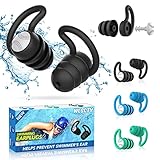
- Experience Comfortable Swimming: WLSCTY swimming ear plugs are crafted with soft, non-allergenic silicone and designed with an ergonomic three-layer ear cap for a perfect fit that won’t cause discomfort or soreness, even after hours of use. Choose our ear plugs for your next swim and enjoy uninterrupted comfort
- Double Waterproof Protection: Our high-quality swim earplugs feature triangular non-slip ear wings and a core waterproof mesh layer that combined with the ear curve, provide a secure fit that won’t slip off during water sports. Multiple water-blocking structures efficiently protect your ears from water and “swimmer’s ear” infections, ensuring a worry-free swim
- Keep the Sound, Not the Water: Our reusable swimming ear plugs come with sound transmission tubes that allow you to hear conversations, alarms, and calls while keeping water out, ensuring your ears stay dry. Suitable for both kids over 10 years old and adults men women, our ear plugs are an essential addition to any swimmer’s gear
- Fashionable and Versatile: Our package includes 3 pairs of swimming ear plugs in different colors, perfect for matching your swimming, bathing, showering, surfing, snorkeling. The high saturation colors not only make you stand out in the pool but also make for a thoughtful gift for adults and children
- Easy to Store and Reuse: Each pair of ear plugs comes with a transparent box for easy storage and safe keeping when not in use. Our new design allows for easy removed cleaning and increased reuse, making them a cost-effective and eco-friendly option. Try our ear plugs today and experience a comfortable and worry-free swim!
Last update on 2026-08-21 / Affiliate links / Images from Amazon Product Advertising API
Who Is Most at Risk?
The following groups are more likely to get swimmer’s ear due to anatomy, exposure, skin health, and immune status. What follows breaks down who is most at risk and why, so you can identify risk and intervene early.
Anatomical Factors
Narrow or curved ear canals trap water, so the fluid lingers and leaves the ear a nice, damp breeding ground for bacteria or fungi.
A narrow canal impedes drops or drying from accessing the stored water, so typical home care can fall short.
Too much earwax can cork the canal and prevent water from draining. Wax build-up holds moisture against the skin, which can soften and break down the outer layer and make infection easier.
Other individuals simply produce less protective earwax. That reduces the ear’s first line of defense and increases the risk of infection, even if they only swim sporadically.
Knowing your own ear shape or wax pattern helps you pick sensible habits: more careful drying, ear drops, or a doctor’s cleaning when needed.
That is, if you swim frequently, have an ear exam to diagnose your ear structure. A clinician can assess whether water clearance will be a persistent issue and recommend personalized interventions, such as custom plugs or regular professional cleanings.
Skin Conditions
Eczema and psoriasis on or around the ear canal compromise the skin barrier. The skin subsequently cracks or peels, and microbes discover new ways in where they wouldn’t through unbroken skin.
Ruptured or inflamed skin increases the risk of infection, regardless of water contact. Even a quick dip can allow the microbes to colonize bare patches and launch an invasion fast.
Swimmers with these conditions should take extra care. They should limit time in chlorinated pools if irritation follows, use gentle cleansers, and follow medical advice on managing flares around the ear.
If your clinician suggests barrier creams, use them before swimming to protect fragile skin. Use products proven effective for your particular disposition.
Not every cream is ear-canal safe.
Previous Infections
A history of ear infections increases the risk of recurrence, as prior infections can cause scar tissue or slight variations in canal shape.
Scar tissue may constrict the passage or reroute water flow, establishing new pockets of water retention.
Anyone who’s had swimmer’s ear should be on the lookout for early signs: itch, mild pain, discharge, because if it’s caught early, it usually avoids a bad infection.
After a prior infection, take additional steps: dry your ears after swimming, use protective gear, and consider prophylactic drops as advised by a clinician.
In the long term, regular follow-up helps address residual structural changes.
Recognizing Early Symptoms
Swimmer’s ear starts with early symptoms you can catch before pain sets in. Early recognition helps prevent progression.
Here are the warning signs to look for, why they’re important, and what you can do right now.
Follow variations and respond promptly to minimize the risk of a more profound infection.
- Itching inside or around the ear canal
- Slight, dull ache or fullness in the ear.
- Mild erythema at the ear canal entrance and/or external ear.
- Clear, odorless fluid drainage from the ear
- Heightened pain when pulling the earlobe or opening your jaw.
Respond fast — swimmer’s ear can escalate within 24 to 48 hours.
Early action—drying the ear, keeping water out, and tracking symptoms—can save you from antibiotics or a clinic visit. Check symptoms twice a day and record what you feel, when it began, and recent water exposures.
A symptom log like this helps clinicians see patterns and decide on treatment more quickly.
Initial Itching
The itching frequently begins as a slight tickle deep in the canal. It could be itching, or like something crawling, or a dry, grainy feeling. Itching is usually worse after swimming or showering when water is trapped. OTC acetic acid or alcohol drops can help dry and soothe the canal.
Itching might be the only symptom for a day or two, so don’t ignore it. Don’t stick Q-tips or fingers in there — that can abrade the skin and allow bacteria to enter.
If itching continues beyond 48 hours despite drying measures, visit a clinician for evaluation and potential prescription drops.
Mild Discomfort
Say that the pain feels like a low, dull ache or heaviness. This soreness tends to be deep and is occasionally more apparent when chewing or yawning.
Pain might be worsened by gently pulling the earlobe or by pressing on the tragus. Pain often precedes redness or discharge and serves as an alarm.
Limit water exposure immediately: skip swimming, wear a waterproof earband, and avoid submerging your head.
Apply warm compresses for soothing relief, and keep a record of any activity prior to flare-ups, such as the type of pool (chlorinated vs. natural), the length of exposure, and whether earplugs were worn.
Slight Redness
Redness is present at the canal opening and may spread into the outer ear. Mild swelling can ensue, causing the canal to feel narrower. Balance the two ears against each other, as asymmetry often indicates localized inflammation.
Check yourself in a mirror, or have someone check you if you cannot see well.
Redness with warmth hints at more aggressive inflammation. If redness increases or is accompanied by fever, seek medical review. Even just easy photos in your symptom diary can be handy for telehealth appointments.
Clear Drainage
Clear, odorless fluid usually indicates irritation and moisture escaping from the canal. This may be the ear’s method of rinsing irritants.
Persistent, cloudy, or colored drainage may indicate a bacterial infection that needs treatment.
Dry the outer ear gently with a soft towel, and tilt your head to help gravity do the work. If you think the ear is perforated, do not irrigate at home.
Practical Prevention Strategies
Swimming ear infections occur when water introduces bacteria or fungi to the external ear canal or when moisture and irritation compromise the ear’s natural defenses.
The measures below center on minimizing exposure, protecting the ear canal, and identifying symptoms early so you can respond quickly.
Before You Swim
Molded waterproof earplugs or a tight swim cap can help to reduce water ingress. Custom or soft silicone plugs provide a superior seal to generic foam ones. Try them out in shallower water first to ensure they fit correctly.
Don’t go swimming with open cuts near the ear, recent ear surgery, or an ongoing ear infection, as these heighten risk by providing bacteria a freeway in.
If you’re a water-trapper, pre-swim with a thin film of mineral oil or a clinician-prescribed barrier drop. Small amounts coat the canal and help repel water without damaging eardrum tissue.
Check ears for wax, redness, itch, or pain. Heavy cerumen can trap moisture and mask early signs of infection, so schedule a cleaning with a pro if necessary rather than attempting aggressive home removal.
During Your Swim
Stay afloat when possible, use random laps or drills that limit submersion, and decrease the amount and frequency of water entering the canal.
Steer clear of belly flops, diving from height, or quick turns that push water into the ear canal under pressure.
Take short breaks between sets to allow your ears to aerate. Even a minute or so at the poolside is beneficial. Never share towels, earplugs, or earbuds.
Microbes and residual moisture spread from person to person like wildfire, increasing the risk of infection.
In public pools, do not submerge your ears in drains or areas with circulating water jets, as these areas can harbor concentrated contaminants.
After You Swim
Tilt your head to each side and lightly pull the earlobe while hopping or shaking to facilitate gravity drainage. No cotton swabs or probes. Pat the pinna dry with a soft towel.
When using a hair dryer, choose the lowest heat and airflow setting and don’t hold the nozzle closer than 30 cm to prevent burns and high-pressure air.
Think about alcohol ear drops: 70% isopropyl alcohol with glycerin, to help evaporate any trapped water. Use this only if you have an intact eardrum and after consulting with a clinician.
Check ears for any redness, itching, pain, changes in hearing, or discharge after each session. Early detection means simple outpatient care instead of lengthy treatment.
Checklist
Waterproof plugs or caps, pre-swim barrier drops, avoid swimming with wounds, inspect ears, limit submersion, avoid forceful entry, dry and drain post-swim, use drying drops, never share gear, and check symptoms.
The Ear’s Microbiome Balance
The outer ear canal houses a small population of bacteria and secretions, along with physical defenses that guard against pathogens. Good bacteria take up room and eat nutrients, so it’s tougher for the bad guys to move in.
Cerumen and the skin lining the canal form a chemical and mechanical defense barrier that traps dirt and dust particles, regulates moisture balance, and transports antimicrobial peptides.
When this ecosystem is in balance, the ear frequently self-clears and combats infection without the need for treatment.
Natural Defenses
Earwax and the thin skin layer inside the canal are the body’s first line of defense.
Wax catches dust and microbes, contains acids and enzymes that inhibit bacterial growth, and forms a slightly acidic surface to which many pathogens are averse.
The normal microbiota competes with pathogens for space and nutrients. They secrete by-products that prevent invaders.
This ecological rivalry reduces the likelihood that a single pathogen can develop into an infection.
Your ears, when healthy, have a slight self-cleaning motion. Jaw motion from chewing and talking helps shift wax outward. Mini changes in humidity and heat prevent overpopulation.
Your ears don’t require regular deep cleanings; most of us don’t need them, and your ear takes care of the gunk and microbes itself.
Avoid overcleaning to maintain those protections. Swabs force wax deeper and abrade the skin. Harsh scrubbing or repeated drops that strip oils can clear away your ear’s protective bugs and lay the groundwork for inflammation or infection.
Disruptive Elements
| Disruptive element | Effect on ear flora and defenses |
|---|---|
| Repeated water exposure | Washes away wax, dilutes antimicrobial factors |
| Chlorinated pool water | Alters pH, irritates skin, can favor opportunistic microbes |
| Earbuds/foreign objects | Cause microabrasions; introduce external bacteria |
| Soaps and alcohol-based drops | Strip oils and disturb microbiome balance |
Repeated exposure to water flushes these layers away. When wax thins, skin is more exposed and more susceptible to small breaks that allow bacteria in.
The harsh chemicals in pools can alter the canal’s pH. Even well-chlorinated water can irritate delicate skin and compromise the skin barrier, making it more prone to harboring specific fungi or bacteria.
Minimize exposure to recognized irritants where possible. Wear swim caps, don’t dive headfirst into sketchy water, and maintain clean and dry earbuds and hearing aids.
- Experience Comfortable Swimming: WLSCTY swimming ear plugs are crafted with soft, non-allergenic silicone and designed with an ergonomic three-layer ear cap for a perfect fit that won’t cause discomfort or soreness, even after hours of use. Choose our ear plugs for your next swim and enjoy uninterrupted comfort
- Double Waterproof Protection: Our high-quality swim earplugs feature triangular non-slip ear wings and a core waterproof mesh layer that combined with the ear curve, provide a secure fit that won’t slip off during water sports. Multiple water-blocking structures efficiently protect your ears from water and “swimmer’s ear” infections, ensuring a worry-free swim
- Keep the Sound, Not the Water: Our reusable swimming ear plugs come with sound transmission tubes that allow you to hear conversations, alarms, and calls while keeping water out, ensuring your ears stay dry. Suitable for both kids over 10 years old and adults men women, our ear plugs are an essential addition to any swimmer’s gear
- Fashionable and Versatile: Our package includes 3 pairs of swimming ear plugs in different colors, perfect for matching your swimming, bathing, showering, surfing, snorkeling. The high saturation colors not only make you stand out in the pool but also make for a thoughtful gift for adults and children
- Easy to Store and Reuse: Each pair of ear plugs comes with a transparent box for easy storage and safe keeping when not in use. Our new design allows for easy removed cleaning and increased reuse, making them a cost-effective and eco-friendly option. Try our ear plugs today and experience a comfortable and worry-free swim!
Last update on 2026-08-21 / Affiliate links / Images from Amazon Product Advertising API
Restoring Harmony
Opt for mild, pH-neutral ear products when you do need to tend. Seek out preparations for the external canal and avoid generic antiseptics unless recommended by a clinician.
Give ears between swims to rebound. Letting the canal dry on its own or with a soft towel around the outer opening maintains wax and microbiota.
Good general nutrition supports immune defenses. A well-balanced diet with adequate zinc, vitamin D, and protein enables the body to overcome local infections and re-establish healthy flora.
Don’t take unnecessary antibiotics that upset the natural flora. If you must take antibiotics, discuss topical versus systemic options with a clinician and consider probiotics for overall gut health.
When to Consult a Doctor
Swimmer’s ear usually resolves spontaneously, but certain symptoms indicate that you should obtain medical attention. Quick diagnosis prevents the issue from escalating and reduces the risk of persistent harm. Monitor symptoms carefully after swimming, and see a doctor if they worsen or do not improve after a few days, despite drying and avoiding water.
Seek care if symptoms worsen or persist
If pain, hearing loss, or fullness in the ear increases over 48 to 72 hours, see a clinician. Worsening pain can signal a progressing external or middle ear infection.
Hearing that does not improve after you remove water and try simple measures, such as tilting the head, using a hair dryer on low at a safe distance for brief periods, or applying a few drops of isopropyl alcohol mixed with glycerin to help dry the ear, warrants evaluation.
Examples include a college swimmer whose ear felt clogged after practice but then developed steady muffled hearing by day three, or a parent whose child had mild ear pain after playing in a backyard pool that became sharp and persistent.
Watch for severe pain, fever, or pus-like drainage
Access care immediately if pain is severe, fever (greater than or equal to 38°C) develops, or you observe yellow, green, or foul-smelling drainage.
These are signs of bacterial infection that might require antibiotics, drainage, or both. Severe pain and fever can signal middle ear involvement or spreading infection.
For example, an adult who felt intense ear pain at night and woke with a fever and fluid leaking from the ear should be evaluated promptly to prevent spread and relieve pain.
Note risks of untreated infections and possible complications
Untreated ear infections can lead to chronic external otitis, a perforated eardrum, spread to nearby tissues, or longer-term hearing loss.
Recurrent infections may cause scarring or persistent changes in ear canal skin and middle ear structures.
People with diabetes, immune suppression, or structural ear problems face higher risks and should seek care earlier.
For example, a swimmer with diabetes who develops ear pain after diving should not delay assessment, as infections can progress more rapidly.
Schedule a check-up for recurrent infections
If you get a couple of swim-related ear infections in a season, follow up with an ENT or primary care provider.
Recurrent cases need a focused plan that includes ear canal cleaning, prescription topical antibiotic or steroid drops, evaluation for anatomical issues, and preventive strategies such as custom earplugs or changes in swimming technique.
A doctor can guide you on when it is safe to swim again and how to prevent further risk.
Our Conclusion
Swimming can increase the risk of ear infection by allowing water to remain in the ear, irritating the skin and the bacteria present. Basic hygiene habits reduce risk.
After swimming, dry your ear with a towel and tilt your head to help drain water. Dry the ears with a hair dryer on low at arm’s length, and for longer or frequent swims, wear well-fitting earplugs.
Maintain earwax at proper levels; don’t excavate with Q-tips.
Be on the lookout for pain, drainage, or changes in hearing, and visit a physician if symptoms persist for more than a couple of days or worsen.
If you’re a swimmer with recurring issues, consider using sanitized pools, reducing exposure, or wearing a swim cap.
Try a few of the tools and steps to see what works with your routine and keeps your ears healthy.
Try one change this week and note the result.

- NO HURT NO PAIN. ULTRA COMFY – Exclusive Design and Material. Super Comfort.
- GREAT WATERPROOF – Unique Designed Structure, 2-layer Waterproof Flanges. Great Help to Enjoy Swimming Showering and Water Games. Life-changer.
- Safe in All Aspects – 1) One-piece design, no risk of small objects falling into the ear canal. 2) Resistant to 392°F high temperature, it won’t be melted by the body’s heat, and won’t cause falling into deeper ear canal or sticking to hair. 【Sound Hole】Users can hear warning sounds from the environment or swim coach.
- MULTI-SIZE – Specific sizes for infants, toddlers, children, teens, women, men, including small medium and large ear users. Much better than One-size-fit-all. Refer to Size Chart for more details.
- HOW TO CHOOSE THE CORRECT SIZE – Mixed-Size First for new users. (Everyone’s ear canals are different even of the same age and gender.) Wrong size would cause it falling out easily or leaking. Please read the size chart and contact us for size suggestion if necessory.
Last update on 2026-08-21 / Affiliate links / Images from Amazon Product Advertising API
Frequently Asked Questions
Can swimming alone cause an ear infection?
Can swimming cause ear infections? Swimming means exposure to water, which can increase risk but doesn’t always cause infection. Water can trap bacteria or disrupt earwax, leading to infection when our ear’s natural defenses are compromised.
How soon after swimming do symptoms appear?
Symptoms usually arise within 24 to 72 hours. Initial symptoms can include itching, pain, or a sensation of fullness in the ear.
What steps can I take to reduce my risk after swimming?
Dry your ears well, tilt your head to drain water, use a soft towel, and consider alcohol ear drops if you are prone to infections. Refrain from putting things in the ear canal.
Are pool and ocean water equally risky?
Both can harbor bacteria. Pools that are not well sanitized have an even higher bacterial risk. Ocean water has different bacteria and fungi depending on location and contamination.
Should children use ear protection while swimming?
Yes. Earplugs or custom molds minimize water infiltration and, consequently, reduce infection risk, particularly in children who are chronic swimmers’ ear sufferers or have a history of ear tubes.
When should I see a doctor for an ear infection?
Consult a doctor for severe pain, fever, continuous discharge, or symptoms worsening or not improving within 48 to 72 hours despite basic care.
Can ear infections be prevented with earwax removal?
Regular earwax cleaning is not required and can damage the ear. Have wax removed by a doctor only if it causes symptoms or hearing loss.


