

Can Ear Infections Cause Temporary or Permanent Hearing Loss?
Our Observations
- Ear infections can cause both temporary and permanent hearing loss by blocking sound transmission through fluid buildup and inflammation. Therefore, monitor hearing during and after treatment, and seek care if issues persist.
- Most infection-related hearing loss is conductive and often resolves within days to weeks after appropriate medical treatment. Persistent symptoms beyond one month need prompt audiological evaluation.
- Repeated or severe infections, untreated eardrum damage, or inner ear involvement increase the risk of lasting sensorineural damage. Prevent recurrence through timely care, immunization where indicated, and tracking infection frequency.
- The only people who are at high risk are young children and people with weakened immune systems or certain ear anatomy. Caregivers and clinicians should watch for muffled hearing, fullness, ringing, or balance changes and document symptom patterns.
- Diagnosis combines physical exam, pneumatic otoscopy, audiometry, and tympanometry to determine whether the hearing loss is conductive or sensorineural, guiding whether medical management, surgery, or hearing rehabilitation is required.

- Debrox Ear Wax Removal Drops use microfoaming action to gently soften and loosen excess ear wax, allowing it to easily drain
- This ear wax remover can relieve ears from excess ear wax caused by frequently wearing earbuds, in-ear headphones, hearing aids, and ear plugs
- Debrox makes ear wax removal at home easy and safe these ear drops contain 6.5% carbamide peroxide to aid in the removal of ear wax
- This gentle and non-irritating ear wax remover is safe for adults and children over 12 years of age; children under 12 years should consult a doctor
- Contains 1 bottle of Debrox Ear Wax Removal Drops, 0.5 fl oz and a soft, rubber bulb syringe; squeeze 5-10 ear drops in each ear and flush with water using the bulb syringe

Last update on 2026-08-22 / Affiliate links / Images from Amazon Product Advertising API
Action steps for readers: note hearing changes during infections; schedule follow-up hearing tests if they linger. Lower the risk of recurrence by treating allergies and sources of infection. See an ENT or audiologist for recurrent or severe cases.
Could ear infections lead to hearing loss?
Yes, ear infections can cause temporary or, less commonly, permanent hearing loss.
Middle ear infections tend to block sound by filling the ear with fluid, reducing hearing by significant decibels. Chronic infections or untreated inner ear damage increase the risk of permanent loss.
Young adults and workers in noisy workplaces, take note: pay attention to symptoms, get timely care, and take the easy prevention steps below.
The Link Between Ear Infections and Hearing Loss
Ear infections not only block sound but can also alter the way the ear transmits vibrations to the brain. Fluid in the ear space, pus, and swelling change how the eardrum and the little bones that transmit sound, the ossicles, move.
In the inner ear, infection can harm hair cells or the auditory nerve, decreasing signal fidelity. Not all infections cause permanent damage, but the risk increases with location, intensity, and delay in treatment.
1. Temporary Loss
Fluid in the middle ear dampens sound conduction. When fluid fills the air-filled middle ear, sound energy dissipates instead of being transferred, resulting in muffled or diminished hearing.
Most of the hearing loss from typical ear infections dissipates after antibiotics, drainage, or when the immune system clears the fluid. Studies find that early treatment within 3 to 5 days typically restores hearing.
Temporary hearing loss is quite common in young children; nearly 80% of children will have a middle ear infection at some point, and many exhibit short-lived hearing changes.
Keep a close eye on hearing during recovery, including speech development, response to soft sounds, and audiometry when possible.
2. Permanent Damage
Repeated or severe infections can actually physically injure ear structures.
When left untreated or recurrent, infections can perforate the eardrum, erode ossicles, or extend into the inner ear where hair cells and neurons are at risk.
Ossicle damage and scarring reduce mechanical transmission and can cause lingering conductive loss. An inner ear infection can cause sudden sensorineural hearing loss, which can be permanent without timely treatment.
Meningitis, for example, has a 54% hearing loss rate amongst those affected. Chronic infections increase the risk of permanent loss, so recurrent or serious infections require expert evaluation to prevent permanent damage.
3. Infection Types
There are different levels of risk and consequence associated with outer, middle, and inner ear infections.
- Outer ear (external otitis): pain and swelling can cause temporary loss if severe.
- Middle ear (otitis media): fluid and inflammation behind the eardrum. It is the most common condition and can affect hearing.
- Inner ear inflammation (labyrinthitis or cochleitis) affects balance and hearing simultaneously and can cause sudden, permanent sensorineural hearing loss.
4. Recurrent Infections
Repeated infections increase the risk of hearing loss. Children are more prone to ear infections and therefore have a much higher cumulative risk.
Chronic inflammation leads to scarring and permanent changes in ear anatomy. Monitor episodes, dates, and treatment to assist clinicians in evaluating risk and intervention options such as grommets.
5. Severity’s Role
Severity matters. Mild infections may resolve with no change in hearing. Moderate ones cause temporary loss, and severe cases can cause permanent damage.
- Mild: transient symptoms, full recovery.
- Moderate: fluid buildup, temporary loss.
- Severe conditions include perforation, ossicle damage, inner ear involvement, and possible permanent loss.
Recognizing Hearing Changes
Ear infections can subtly alter your hearing. Early detection is important, as untreated outer, middle, or inner ear infections can cause long-term or permanent hearing loss. Here’s what to look out for, why they occur, and how to monitor them during and following an infection.
Almost 80% of children experience at least one middle ear infection, while those caused by viruses or bacteria, typically after colds or allergies, can affect people of all ages.
Muffled Sounds
Muffled hearing is a frequent symptom of infection and can present as hearing ‘dampened’ or ‘distant’. Fluid, pus, or swelling in the middle ear diminishes hearing by preventing sound vibrations from reaching the small bones from the eardrum, so that speech and other everyday sounds become muffled.
In most cases, muffling resolves as the infection clears or fluid drains, occasionally within days for viral causes, but it can linger for weeks.
If muffled sounds persist after treatment, note whether certain frequencies (high or low) are harder to hear. That information helps clinicians determine whether to proceed with additional testing.
Fullness Sensation
The sensation of ear fullness or pressure originates from fluid accumulation behind the eardrum or compromised Eustachian tube function. That pressure can change with swallowing or altitude.
Fullness frequently accompanies transient hearing loss, and its persistence and severity provide clues about the degree of hearing loss.
Keep a simple log: start date, peak intensity on a 1-10 scale, and whether over-the-counter decongestants or nasal sprays change the sensation. This record is useful for follow-up visits.
Ringing Ears
Ringing, or tinnitus, can accompany an ear infection either when inflammation irritates auditory pathways or when middle-ear fluid changes inner-ear mechanics.
Tinnitus could indicate inner ear issues such as labyrinthitis or vestibular neuritis, which can cause dizziness.
Note whether the ringing is continuous or comes and goes, whether it flares up with head position, and whether it lingers even after other symptoms subside. Persistent tinnitus may require an audiology evaluation.
Balance Issues
Ear infections can lead to dizziness or balance issues as the inner ear contains vestibular organs that regulate balance. Inner ear infections cause more severe imbalance than middle-ear disease.
Watch for related signs: unsteady gait, vertigo episodes, nausea, or difficulty focusing vision while moving. Record onset in relation to hearing symptoms and whether balance symptoms resolve as the infection clears.
Persistent or severe imbalance demands immediate care, as inner ear involvement may require alternative management and predispose a patient to permanent deficits.
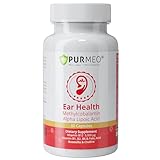
- ADVANCED & NATURAL FORMULA: Soothe ringing ears naturally with a blend of nutrients, including 5000mcg of highly bioactive Methylcobalamin (Vitamin B12), Alpha-Lipoic Acid, B-complex vitamins, Boswellia extract, and Choline, to help support antioxidant defense, healthy circulation, and ear and nerve wellness. Free from common allergens and designed to complement your existing health and wellness regimen
- EAR RINGING RELIEF: Skip messy ear drops. Our tinnitus relief supplement is designed to help manage occasional ear noise symptoms like ringing, buzzing, roaring, clicking, or hissing. Take one capsule before bed as part of your nightly wellness routine
- SCIENCE-BACKED NUTRIENT INGREDIENTS: Research published in the U.S. National Library of Medicine suggests that Methylcobalamin and Alpha-Lipoic Acid may help support nerve function and antioxidant defense. These premium ingredients work together to deliver optimal results
- FEATURED ON FORBES: PURMEO supplements are manufactured in Germany in FDA-registered, GMP-certified facilities and follow strict HACCP and IFS standards. With traceable PZN 20361349, we ensure pharmaceutical-grade transparency and quality you can trust
- PRECISION DOSING: Simply take 1 capsule daily, with no need to take 4-6 pills a day. Each bottle provides a 60-day supply. Designed for gradual, consistent support, this supplement promotes long-term wellness rather than quick fixes
Last update on 2026-08-22 / Affiliate links / Images from Amazon Product Advertising API
Who Is Most at Risk?
Specific populations are more susceptible to hearing loss post-OM due to their infection frequency, immunological response, and ear anatomy.
Knowing who is most at risk helps inform prevention, monitoring, and when to seek care.
Age
Young kids are the most vulnerable to infection-related hearing loss. Between 6 months and 2 years, the Eustachian tube is short and horizontal, so fluid drains poorly and bacteria accumulate with ease.
Almost 80% of kids will have at least one middle ear infection by the time they are children.
Babies breastfed for less than 6 months have more ear infections, likely because they lack some of the immune protection and feeding schedules that minimize pathogen exposure.
Ear infections are at their highest in the fall and winter, when colds and respiratory viruses are more prevalent.
Seniors are at higher risk. Aging diminishes immune function and the ability to clear infections. Comorbidities and prior ear disease confer additional risk.
Relative risk by age group is as follows: infants and toddlers have the highest risk; preschool and early school-age children have a lower risk; adolescents have a lower risk; adults under 65 without risk factors have low to moderate risk; and older adults aged 65 and older have increased risk again.
Immune Health
A compromised immune system increases the risk of developing an ear infection and the risk that the infection will lead to permanent damage.
Chronic illnesses like diabetes, HIV, or uncontrolled autoimmune disease can exacerbate middle ear infections, delay healing, and increase the risk of complications.
Immune deficiencies, whether inherited, medication-induced, or due to chronic disease, can allow bacteria to persist and increase the risk of chronic otitis media and conductive or sensorineural hearing loss.
If you’ve had a recent cold or allergies, you’re more susceptible to a middle ear infection as the inflammation and mucus block the Eustachian tube.
Anyone who’s had ear infections or previous hearing loss is more prone to recurrences.
Monitor immune health as part of hearing care: keep vaccinations up to date, manage chronic disease, and seek earlier treatment when infections begin.
Anatomy
Anatomy really influences risk. The kid’s Eustachian tube configuration encourages fluid retention and infection. Anatomical variations such as narrow or malformed ear canals, cleft palate, or chronic sinus disease can cause fluid to become trapped and create a breeding ground for infection.
Adults with chronic tympanic membrane perforations, cholesteatoma, or previous ear surgery continue to be at increased risk of recurrent infections and hearing difficulties.
Anatomical factors are Eustachian tube angle and length, adenoid size, congenital ear malformations, previous trauma or surgery, and persistent middle ear effusion.
Meningitis and other invasive infections may involve the inner ear directly, increasing the risk of permanent hearing loss.
You should seek urgent care for sudden or rapid hearing loss.
Diagnosing the Problem

A targeted clinical approach determines whether hearing loss is caused by an ear infection, where it is likely located, and the urgency of treatment.
Timely, organized testing increases the likelihood of complete healing, particularly when treatment begins within three to five days of the onset of initial symptoms.
Diagnostic work-up mixes history, exam, and objective testing to distinguish transient conductive loss from potential permanent inner-ear damage.
Physical Exam
Direct examination employs an otoscope to visualize the external canal and tympanic membrane. CLINICAL SIGNS Clinicians observe color changes, opacity, fluid levels, perforations, and any debris that may inhibit sound transmission.
Redness, bulging, or a visible fluid line behind the eardrum indicates acute otitis media. Yellow or cloudy effusion with no significant bulging is suggestive of OME. Retracted membranes frequently occur as a result of ETD.
In babies less than six months, any warning signs trigger immediate treatment. Pneumatic otoscopy tests eardrum mobility.
Reduced or absent movement indicates fluid in the middle ear. Normal mobility makes middle ear effusion less likely.
Findings that suggest infection-related hearing loss include bulging with limited mobility, purulent discharge in a perforated membrane, and opaque effusion.
Exams screen for external ear cellulitis, mastoid swelling, and signs of balance disturbance, which might indicate deep spread.
Seasonal context matters: infections spike in fall and winter, and children 6 months to 2 years carry the highest risk.
Hearing Tests
Pure-tone audiometry tests hearing thresholds at different frequencies and expresses loss in decibels. Speech audiometry tests both clarity and functional listening.
Tympanometry measures middle ear pressure and compliance and can identify fluid, Eustachian tube dysfunction, or perforation.
Otoacoustic emissions (OAEs) test outer hair cell function and can differentiate cochlear from conductive problems in noncooperative patients.
Auditory brainstem response (ABR) testing checks neural pathways if inner ear or nerve damage is suspected.
These tests indicate the nature and severity of loss. Typical loss with middle ear fluid is approximately 24 dB, akin to wearing earplugs, and it can last for weeks to months.
Immediate intervention can often restore hearing, but persistent or severe deficits require additional workup.

- Targeted Ear Ringing Support: Designed to support inner ear health & help manage symptoms associated with ear ringing using a clinically studied nutrient blend
- Lemon Bioflavonoid Complex: Includes bioflavonoids plus vitamins C, B1, B2, B6, & B12 to support healthy circulation & auditory system function
- Supports Inner Ear Health: Formulated to promote proper inner ear function & overall ear wellness as part of a daily supplement routine
- Daily Use for Best Results: Take 2 caplets 3x daily for at least 60 days to support consistent nutrient intake & optimal results
- Trusted, Long-Standing Formula: Used for decades as a nutritional approach to support ear health & circulation with a targeted vitamin blend
Last update on 2026-08-22 / Affiliate links / Images from Amazon Product Advertising API
Suggested table:
| Test | What it measures | Clinical use |
|---|---|---|
| Audiometry | Thresholds | Quantify loss |
| Tympanometry | Middle ear function | Detect effusion |
| OAE | Cochlear outer cells | Screen cochlear damage |
| ABR | Neural conduction | Assess nerve and brainstem |
Differentiating Loss
Conductive loss occurs when sound is impeded by fluid, tympanic membrane, or ossicle trouble and often follows middle ear infection.
Sensorineural loss means damage to the cochlea or the auditory nerve and can be sudden if the inner ear is infected.
Criteria: An air-bone gap on the audiogram indicates conductive loss. A flat tympanogram is consistent with middle ear effusion. Missing OAEs with elevated thresholds suggest cochlear issues.
If the loss continues for weeks, is severe, or is sudden, assume sensorineural damage and act quickly, because inner-ear infections can cause permanent loss.
Call a healthcare professional for severe symptoms or if issues persist for more than two to three days.
Treatment and Recovery
Treatment is intended to clear the infection, relieve pain, and restore hearing. The sooner it’s treated, the less likely long-term damage will occur.
Here are medical treatments, what patients can do at home, and a real-world recovery timeline.
Medical Treatments
Antibiotics such as amoxicillin, amoxicillin-clavulanate, and cefuroxime attack bacterial middle-ear infections.
For stubborn or repeat offenders, macrolides or cephalosporins might be effective. Antivirals like acyclovir and valacyclovir are rarely needed but are used when a viral cause is confirmed.
Anti-inflammatory drugs include oral nonsteroidal anti-inflammatory drugs like ibuprofen and short courses of oral corticosteroids such as prednisone when marked swelling compromises inner-ear structures or function. Topical antibiotic drops address external ear infections.
Surgical interventions are made when medical therapy is unsuccessful or when complications arise.
Myringotomy with or without tympanostomy tube placement drains chronic fluid and ventilates the middle ear. Mastoidectomy is reserved for mastoiditis or abscess.
Surgical drainage frequently accelerates recovery and prevents chronic conductive loss. In treating infection, hearing is usually restored, as most hearing loss from ear infections is conductive and reversible once fluid and inflammation resolve.
Permanent sensorineural loss is rarer but possible if the inner ear is involved.
Table: treatment options and indications
- Oral antibiotics are indicated for acute otitis media with systemic signs or for patients under 2 months of age.
- Topical antibiotics: otitis externa with intact tympanic membrane.
- Corticosteroids: severe inflammation threatening cochlear function.
- Myringotomy/tubes: chronic effusion >3 months or recurrent acute infections.
- Mastoidectomy: mastoiditis, abscess, or intracranial spread.
Hearing Restoration
Once the fluid is cleared from the middle ear and inflammation subsides, mechanical conduction through the ossicles and tympanic membrane is restored, and hearing usually returns as the middle ear re-aerates.
If inner-ear structures are damaged, hearing aids or implantable devices may be necessary to address permanent hearing loss.
Follow-up care ensures recovery: repeat audiometry, otoscopy, and, if fluid persists, referral to an ENT specialist. Ongoing checks identify late complications and direct rehabilitation.
Home steps that support restoration include drinking plenty of fluids and getting adequate rest, applying a warm cloth to relieve pain and encourage drainage, avoiding water with earplugs in or while swimming, and using yawning, swallowing, or the Valsalva maneuver to open the Eustachian tubes.
Recovery Timeline
The majority of individuals report hearing enhancement within 2 to 7 days of symptom resolution.
It can take a few weeks to entirely recover as the residual fluid clears and membranes heal. If hearing loss persists for more than one month after the infection resolves, investigate for potential permanent damage or chronic effusion.
Typical stages include acute symptom control within 48 to 72 hours, alleviation of pain and some restoration of hearing after 3 to 7 days, and effusion clearance with near-normal hearing within 2 to 4 weeks.
Sample timeline: day 0 diagnosis and start meds, day 3 to 7 symptom relief, week 2 reassessment, and week 4 complete recovery or ENT referral.
The Silent Impact of Inflammation
Ear inflammation begins as the body’s attempt to combat infection or trauma.
That reaction can itself damage sensitive hearing mechanisms. Inflammation of the middle ear can restrict ossicle motion, dampen sound conduction, and cause fluid to clog the ear canal.
Inflammation of the cochlea or vestibular nerve in the inner ear can damage non-regenerative hair cells and nerve fibers. Eventually, even a little chronic inflammation causes scar tissue, hair-cell function loss, and neural death that can turn a temporary dip in hearing into permanent loss.
Repeat or minor inflammation counts. Multiple childhood ear infections, for instance, frequently result in cumulative, lingering conductive impairments.
Little insults to the inner ear from viral labyrinthitis or low-grade chronic inflammation may not cause dramatic symptoms initially, but they deplete the ear’s reserves.
They might experience difficulty after conversations in loud rooms, or a gradual decline in clarity rather than complete deafness.
Studies associate life-threatening brain infections such as meningitis with hearing loss in about 54% of cases, demonstrating how inflammation around auditory pathways can cause permanent impairments.
Dealing with inflammation now takes the bite out of risk later on. The silent damage of inflammation is significant.
Primary care providers prompt treatment of middle ear infections with antibiotics when indicated, or antiviral therapy for some inner ear infections, limits tissue damage and fluid retention.
Early medical review helps identify when inflammation is causing balance issues due to vestibular neuritis or labyrinthitis. Untreated inner ear inflammation can cause sudden sensorineural hearing loss, which can become permanent within days if not treated promptly.
With timely steroids, antivirals, or antibiotics, and careful follow-up with hearing tests, the odds of recovery improve. Silent symptoms can alert you to inflammation in progress before significant loss occurs.
Lingering ear pain, that full feeling, or occasional muffled hearing indicates middle ear fluid or Eustachian tube dysfunction.
Dizziness, unsteady gait, fatigue after brief exertion, or vertigo attacks indicate inner ear inflammation affecting the balance organs.
A low-grade fever or ear discharge indicates an active infection.
If you experience subtle shifts in sound clarity, increased difficulty hearing in background noise, or new bothersomeness to loud sounds, it’s worth a clinic visit and a baseline audiogram.
Inflammation affects hearing and balance because the inner ear houses both sensory systems. Know the symptoms, get early treatment, and follow up with audiology when infections occur to stop temporary problems from becoming permanent.
Our Conclusion
Ear infections can impact hearing in obvious, straightforward ways. Fluid, swelling, or damage in the middle ear muffles sound and makes speech indistinct.
Most of them are clear with meds, drainage, or time. Others leave a permanent hearing gap, particularly after recurring infections or care that comes too late.
Babies, older adults, and those with immune or chronic health conditions are at higher risk.
A rapid hearing test and consultation with an otolaryngologist go a long way. Easy things such as taking meds, applying recommended ear drops, and getting follow-up tests help preserve hearing.
Be on guard for alterations to speech, balance, or tinnitus. Schedule a check-up if you notice a change in your hearing or recurrent ear trouble.

- 2-IN-1 RED LIGHT THERAPY FOR NOSE AND EARS: This versatile red light device is designed for dual-area use, offering gentle and non-invasive care for both nasal and ear wellness. Whether you’re targeting discomfort in the nasal passages or looking to support relaxation in the ear canal, this 2-in-1 design makes it easy to switch between areas by simply changing the soft silicone attachments. No need for multiple devices—just one compact tool to meet your daily comfort needs.
- 3 ADJUSTABLE MODES FOR PERSONALIZED USE: Customize your red light therapy nasal experience with three selectable modes: slow flash, fast flash, and continuous light. Each setting is designed to suit different personal preferences or times of day. Whether you’re winding down before bed or looking for a gentle soothing in the morning, you can choose the most comfortable mode to fit your daily routine. Easy one-button operation ensures a smooth and intuitive user experience.
- NECK-WEARABLE DESIGN, ONLY 40G, HANDS-FREE COMFORT: Enjoy freedom of movement during your session thanks to the lightweight neck-hanging design. Weighing only 40 grams, this device is easy to wear for extended periods without discomfort or pressure on your neck. It’s ideal for use while reading, relaxing, or working—your hands remain free while the device delivers focused red light to the desired area. Practical and travel-friendly, it’s designed for daily convenience.
- 30-MINUTE AUTO SHUT-OFF FOR SAFE, WORRY-FREE USE: The built-in 30-minute automatic shut-off timer ensures safe and convenient sessions without the need to monitor time. Simply power on, choose your mode, and let the red light therapy device for ears handle the rest. This smart feature helps prevent overuse and provides peace of mind, especially during bedtime use or while multitasking. Recommended usage is twice daily for optimal support in your wellness routine.
- WASHABLE SILICONE TIPS FOR WHOLE FAMILY MEMBER: Includes three sizes of soft silicone ear canal covers (small, medium, and large) to ensure a snug, comfortable fit for every family member. The reusable nasal silicone sleeve is designed for easy cleaning—simply rinse with water after each use. Washable and durable, these accessories make the device eco-friendly and cost-effective over time, just perfect wellness choice for your loved family.
Last update on 2026-08-22 / Affiliate links / Images from Amazon Product Advertising API
Frequently Asked Questions
Can ear infections cause permanent hearing loss?
Yes. Certain serious or untreated ear infections can result in permanent hearing loss due to damage to ear structures, particularly if they are recurrent or involve the inner ear.
How soon does hearing improve after treating an ear infection?
Hearing typically improves within days to weeks after treatment for middle ear infections. Anything lasting longer than a few weeks requires follow-up with a clinician.
Do childhood ear infections affect long-term hearing?
Can childhood ear infections cause hearing loss? Early treatment and monitoring lower that risk.
Can outer ear infections (swimmer’s ear) cause hearing loss?
Outer ear infections can lead to temporary hearing loss due to swelling or debris. Permanent loss is rare with care.
When should I see a specialist for hearing changes after an ear infection?
If hearing doesn’t come back within 2 to 4 weeks, or if you have repeat infections, severe pain, dizziness, or drainage, see an ENT.
Are antibiotics always required to prevent hearing loss from ear infections?
No. While antibiotics are needed for certain bacterial infections, not all ear infections require them. A clinician will determine this based on etiology and severity.
Can inflammation alone cause lasting hearing issues?
Yes. Chronic inflammation can damage delicate ear structures over time and, if left untreated, lead to persistent hearing issues.


