

Earaches in Children: Safe Relief, Common Causes, and When to Call the Doctor
Our Observation
- Ear pain in children often arises from middle ear infections, swimmer’s ear, fluid accumulation, earwax, or earwax impaction from the teeth and throat. Knowing the cause guides appropriate treatment and when to see a doctor.
- Kids’ ear infections typically come down with colds and cause fever, fussiness, hearing difficulty, and nighttime pain. Treat with age-appropriate pain medications and get care if symptoms escalate or persist beyond 48 to 72 hours.
- Keep ears dry after swimming to decrease the risk of swimmer’s ear. Consider earplugs for recurrent swimmers. Visit a clinician if ear pain is sharp, the ear is red or swollen, or there is drainage.
- If your child exhibits other symptoms, including constant ear pulling, high fever, muffled hearing, balance problems, or changes in speech, watch them closely and keep a symptom diary to share with your pediatrician.
- Apply home comfort measures such as weight-dosed acetaminophen or ibuprofen, warm compress, head elevation, and quiet rest. Avoid cotton swabs and don’t delay evaluation for severe or rapidly worsening symptoms.
- To help prevent future earaches, stay up-to-date with vaccines, avoid smoke and allergens, breastfeed or feed babies in an upright position, and see a doctor about recurrent infections or lingering hearing changes.
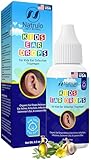
- ALL NATURAL KIDS EAR DROPS: Flushing ears of waxy buildup is easy, safe & gentle with these organic ear flusher drops. Use them as ear drops for clogged ears, ringing ears (tinnitus), itchy ears, ear infections or swimmer’s ear.
- HOLISTIC, PURE & VEGAN KIDS FORMULA: Free of additives, synthetics & fillers, these kids eardrops are as close to nature as possible. The nontoxic herbal blend consists of mullein, garlic, calendula, olive oil, vitamin E & St. John’s wort.
- 100% MADE WITH PRIDE IN AMERICA: Made in the USA from pure fair trade ingredients, our earache drops are trusted by families across the country. The solution is Cruelty-Free, Gluten-Free, Non-GMO, Paraben-Free & Phthalate-Free.
- SAFE FOR KIDS & BABIES: These pain ease anti-inflammatory ear drops are safe for the whole family! Use them as infant earache drops, ear ache drops for kids, ear drops for dogs or ear cleaning earwax remover drops.
- WARM FOR BEST RESULTS: We recommend warming the children ear drops before applying them to enhance their ability to loosen & flush earwax. The liquid drops soothe eardrum itching, reduce swelling & help ease sinus pressure.
Last update on 2026-08-20 / Affiliate links / Images from Amazon Product Advertising API
Earaches in kids are painful ear sensations stemming from infection, fluid buildup, or pressure changes. They typically arrive accompanied by fever, difficulty sleeping, and decreased appetite.
Parents can recognize symptoms such as irritability or equilibrium issues and access prompt treatment to avoid long-term damage.
Otherwise, uncomplicated earaches in kids can be managed with pain relievers and warm compresses, and a visit to the pediatrician can help guide treatment decisions and follow-up.
ACTIONABLE things to do and RED FLAGS below.
Why Does My Child’s Ear Hurt?
Earache in children has many causes, ranging from the outer and middle ears to adjacent structures such as the throat, teeth, and sinuses.
Knowing the source of pain directs what to attempt at home and when to seek care.
Here are the most common causes in bullet points, followed by an in-depth look at middle ear infection (acute otitis media)
- Middle ear infection (acute otitis media)
- Fluid in the middle ear but no infection, which is known as otitis media with effusion or glue ear.
- Outer ear infection (otitis externa / swimmer’s ear)
- Earwax blockage
- Referred pain from teething, dental issues, sore throat, or sinus infection.
- Pressure changes (air travel, rapid altitude change)
- Trauma or foreign body in the ear
1. Middle Ear Infection
Middle ear infection, or acute otitis media, is a leading cause. Bacteria or viruses can enter the middle ear after a cold and cause inflammation and fluid buildup behind the eardrum.
Young children are especially prone to ear infections; five out of six have at least one by age three, and those under three have flatter, less effective Eustachian tubes that trap fluid.
Fever, irritability, reduced hearing, and worse pain at night may occur. Occasionally, these children tug at their ears or refuse to lie down. Treatment varies from observation in mild cases to antibiotics when symptoms occur in children less than six months of age.
Recurrent infections, family history, second-hand smoke exposure, or immune problems increase risk and may encourage referral for ear tubes, particularly if hearing or speech is a concern.
2. Swimmer’s Ear
Swimmer’s ear is an infection of the ear canal caused by trapped water, which softens the skin and allows bacteria to grow. Pain is usually stabbing when the outer ear or jaw is moved. Warm, humid environments and regular swimming boost risk.
Prevention is practical: dry ears thoroughly after water exposure by tilting the head and blotting with a towel, use earplugs for regular swimmers, and avoid inserting objects. Treatment typically includes topical antibiotic drops and pain management, with severe cases requiring oral antibiotics.
3. Fluid Buildup
Glue ear, or otitis media with effusion (OME), is a condition in which fluid is present in the middle ear without infection.
Hearing sounds muffled, and kids come across as inattentive or tug at their ears but aren’t in severe pain. Fluid can remain after an infection or from Eustachian tube dysfunction.
Monitor for months. If fluid continues to affect speech, balance, or learning, referrals for hearing tests and perhaps even ear tubes may be made.
4. Wax Blockage
Too much excess blocks the canal, causing fullness, decreased hearing, and pain. Forget Q-tips; they just compact wax further. Use over-the-counter drops or a warm washcloth on the external ear for maintenance.
If buildup is causing persistent issues, a clinician can remove it safely and easily.
5. easons
Teething, sore throat, sinus infections, dental pain, and tonsillitis can refer pain to the ear. Air pressure changes when flying, or with colds, allergies, and enlarged adenoids, all contribute.
Persistent or increasing pain requires medical evaluation to identify the underlying cause and initiate appropriate care.
Recognizing the Signs

Earaches in kids can be quite cryptic, especially during flu season when ear pain episodes may increase.
Parents need to monitor symptoms such as behavioral and physical changes, changes in hearing or balance, and pain patterns that may indicate a middle-ear issue and can lead to significant discomfort.
What to Watch
- Tugging or pulling at the ear, one side more than the other.
- Repeated crying or inconsolable fussiness, especially at night.
- Difficulty sleeping or shorter naps, and an earache that intensifies when you lie down.
- Fever, sometimes with a runny nose or cough.
- Loss of appetite or refusal to chew. Pain can get worse with swallowing.
- Fluid or offensive-smelling drainage from the ear canal.
- Any differences in activity or play may indicate that the child might steer clear of loud places.
- Clutching the cheek, jaw, or head, indicating referred pain.
Heightened irritability typically manifests on the day after symptoms, exacerbating at bedtime. Constant ear rubbing or pulling is typical in toddlers who cannot explain the pain.
Additionally, nighttime ear pain can indicate a significant ear infection, especially if accompanied by fever and cold symptoms.
What to Hear
Listen for dulled or whiny voices; noises are muffled or distant. Parents might hear whining, popping, or crackling sensations.
Unexpected piercing screams can indicate intense pain or pressure changes, such as during ascension or descent or when the child is supine.
Look for slow reaction to verbal stimuli or reduced startle response to loud noises. Deterioration in speech clarity over weeks can indicate a chronic hearing problem.
If a child echoes phrases, requests louder volumes on televisions or devices, or appears distracted during conversation, note when these behaviors began.
Referred popping or buzzing can indicate middle-ear fluid, and muffled hearing is common with blocked Eustachian tubes.

- Similasan Earache Relief ear drops provide temporary relief from earache symptoms (clogged ears, discomfort). homeopathic ingredients stimulate the body’s natural defenses instead of masking the symptoms.
- Formulated with natural active ingredients like chamomile, not harsh chemicals.
- Homeopathic ingredients stimulate the body’s natural defenses instead of masking the symptoms.
- Similasan is a leading Swiss brand of remedies that uses natural active ingredients instead of harsh chemicals to keep families healthy. Similasan has been voted by the readers of Reader’s Digest the most trusted Swiss healthcare brand 14 years in a row.

Last update on 2026-08-20 / Affiliate links / Images from Amazon Product Advertising API
What to Feel
Delicately palpate around the outer ear and jaw for warmth or tenderness, as this may suggest local inflammation. Feel for swollen lymph nodes under the jaw or behind the ear. Tender nodes often accompany infection.
Evaluate equilibrium by observing for staggering or hesitation in ascent, dizziness, or unsteadiness if there is an inner-ear lesion. If the child does not want to open their mouth or chew, they could be referred for evaluation of temporomandibular joint pain.
Children’s Eustachian tubes are shorter and more horizontal, resulting in poor fluid drainage and an increased risk of infection.
Record the duration and intensity of each occurrence. If symptoms persist for more than 48 to 72 hours, consult your pediatrician about potential antibiotic treatment.
If there is a fever, do not give aspirin unless advised by a physician.
Providing Comfort at Home

Ear pain episodes in children often respond well to a few simple, proven comfort measures at home, including proper ear hygiene.
These measures not only help relieve pain but also facilitate drainage of middle-ear fluid, helping keep your ear calm while you monitor symptoms.
Follow age and weight guidelines for any medicine, keep the house quiet, encourage rest and fluids, and keep the ear warm.
Pain Relievers
Administer acetaminophen or ibuprofen for immediate pain management as appropriate for the child’s age and weight. Refer to dosing charts on the product or guidance from your pediatrician. For babies younger than 3 months, see a clinician prior to medication.
Do not give aspirin to kids due to Reye syndrome. Topical ear drops for pain relief may be recommended for older kids, but they should only be used if advised by a health professional and never if there is a risk of a perforated eardrum.
Track pain scores and medication response in a simple log: time given, dose, and observed effect. This helps us determine whether symptoms are abating or whether more care is necessary.
Warmth and Rest
Place a warm, damp washcloth or a soft rice bag covered with a towel against the infected ear for small intervals, checking regularly to prevent burns. Warm compresses relieve pain and are a low-risk complement to oral painkillers.
Promote rest.
Keeping a child still and comfortable allows the body to prioritize healing while calming a cry, which increases pressure in the middle ear.
Provide rocking or cuddling for infants and toddlers to calm them during pain spikes. A humidifier helps to ease nasal congestion and keep air moist.
Moist air helps thin mucus and encourages drainage through the Eustachian tubes.
Proper Positioning
Keep the child’s head slightly elevated to help drain the ear and relieve pressure, especially when sleeping.
For kids older than 2 years, we like to place a small pillow under the mattress of their crib, which gently raises the upper torso without the use of uusinga blankets and pillows.
Don’t lie flat for extended periods. Hold babies upright when feeding to minimize reflux fluid into the Eustachian tube. Switch sides during naps so you aren’t pressing down on the same ear all the time.
Hydration keeps mucus thinner. Provide water, diluted juice, or warm soups frequently to promote drainage and comfort. Fever-free symptoms in children older than 2 years can often be effectively managed at home ed with these measures.
The Bigger Picture
Earaches in kids are more than just temporary discomfort; they can lead to significant episodes of ear pain that impact sleep, school, and family routines.
These painful ear issues are linked to other diseases and, in the long term, affect overall health, speech, and hearing, and contribute to emotional stress and reduced quality of life.
The Illness Connection
Respiratory infections, nasal congestion, and allergies increase the risk of middle ear infection by obstructing the Eustachian tube and trapping fluid. In young children, the Eustachian tube is small and more horizontal, so fluid drains poorly and microbes multiply more readily.
Smoking exposure and crowded childcare also raise risk.
Treating the cold, allergy, or sinus problem decreases the likelihood of recurrent ear bouts. They travel from the nose and throat to the middle ear via the Eustachian tube.
Both viruses and bacteria can follow this route after an upper respiratory infection. Overuse of antibiotics can drive resistance, so clinical judgment matters.
Many acute otitis media cases clear on their own within 10 days, and about five of six children will have an ear infection by age three.
Prevention measures such as breastfeeding, on-time vaccinations (including the flu shot), and handwashing reduce infection rates.
Common middle ear pathogens:
| Bacteria | Viruses |
|---|---|
| Streptococcus pneumoniae | Respiratory syncytial virus (RSV) |
| Haemophilus influenzae (non-typeable) | Rhinovirus |
| Moraxella catarrhalis | Influenza virus |
Addressing the base illness, decongesting, allergy management, and smoke avoidance beats repeated antibiotics in many cases of recurring ear issues.
Developmental Impact
Recurrent middle ear infections can cause temporary hearing loss, and if left untreated for too long, can impact speech and language development milestones.
Frequent mini hearing dips make it difficult for babies and toddlers to hear sounds and acquire vocabulary.
Look out for indicators such as not responding to noises, slurred speech, or appearing disinterested in crowds. Early hearing screenings and referrals to speech-language services are helpful when delays are suspected.
Timely interventions, including hearing tests, possible tube placement, or targeted therapy, minimize long-term impact and support learning.
Key developmental milestones:
| Age | Listening & Speech Milestone |
|---|---|
| 6 months | Responds to name, babbles consonants |
| 12 months | Says first words, follows simple commands |
| 24 months | Uses two-word phrases, points to pictures |
| 36 months | Uses full sentences, is understood by strangers |
The Emotional Toll
Constant ear pain wakes you up and gets in the way of your day, making even the youngest kids cranky. Night pain awakes them multiple times.
Parents surrender sleep and experience stress that bleeds over into their work and care decisions.
Kids can be clingy, nervous, or sullen during persistent pain. Parents benefit from clear plans: pain control, consistent bed routines, and backup childcare when needed.
For recurrent nighttime aches, test timed pain relief before sleep, soothing stillness, and short naps during the day to aid healing.
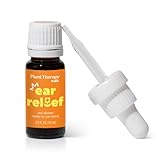
- SOOTHES EAR DISCOMFORT: Ear Relief helps soothe ear discomfort and congestion. Just a few drops of Ear Relief will help put a smile back on the sweet face of your little one. Please check with your doctor before using this product.
- KIDSAFE: Ear Relief Essential Oil Blend is safe for adults and children ages 2 and up. Ear Relief is a blend of Lavender, Rosalina, Tea Tree, Palmarosa, and Roman Chamomile essential oils, along with Hemp Seed Carrier Oil. This blend is pre-diluted for your convenience.
- MULTI-USE: Clears ear congestion, Soothes discomfort, Calms irritation, Natural remedy for ears, For adults and children
- DIRECTIONS: Apply 1-3 drops on the outside of the ear and gently massage the area in front of the ear and down towards the neck. Check with your doctor before use.
- HIGH-QUALITY AFFORDABLE ESSENTIAL OILS: At Plant Therapy, our goal is to positively impact the lives of as many people as we possibly can, by selling such a high-quality product at an affordable price. Be confident knowing you are purchasing quality oils at direct-to-consumer prices.
Last update on 2026-08-20 / Affiliate links / Images from Amazon Product Advertising API
When to Call the Doctor
Ear pain episodes in children can range from minor irritation to a sign of serious illness. Consult the following tips to determine when to seek medical care.
It categorizes decisions into urgent symptoms, persistent pain, and recurring issues, and includes a handy checklist for parents to monitor symptoms at home.
Urgent Symptoms
Seek immediate care for severe ear pain, visible swelling, or redness that spreads beyond the ear area. Those signs can indicate a spreading infection.
If a child has a high fever above 40°C (102°F), a stiff neck, or persistent vomiting, seek emergency care, as these may signal a systemic infection.
Drainage of pus or blood from the ear canal requires prompt evaluation. Save a sample if possible and avoid putting anything into the ear. Consider sudden hearing loss, new dizziness, or balance issues as emergencies.
A sharp instrument in the ear or abnormal ambulation requires immediate evaluation.
Babies under 12 months with suspected ear infection, particularly if both ears appear to be involved, need prompt medical attention. If a child under 3 months has a fever of 38°C (100.4°F) or higher, call the doctor immediately.
Urgent-symptom checklist:
- Severe ear pain or spreading redness/swelling
- Fever greater than 40°C (102°F) for infants less than 3 months, fever greater than or equal to 38°C (100.4°F)
- Pus or blood draining from ear
- Sudden hearing loss, marked dizziness, or poor balance
- Neck stiffness, persistent vomiting, or signs of sepsis
- Pointed object in ear or obvious trauma
- Child under 12 months with suspected infection, particularly bilateral ear pain.
- Weakened immune system and suspected ear infection
Persistent Pain
Call a pediatrician if ear pain persists longer than 48 to 72 hours without obvious improvement.
Persistent pain can indicate that a middle-ear infection is not resolving or that another issue, such as impacted wax or referred pain from teeth or throat, is at play.
Be aware of persistent fever, increasing irritability, or sleep disturbances associated with ear pain. These are good things to note.
If OTC ibuprofen or acetaminophen doesn’t relieve severe pain within a few hours, see a doctor.
Note the timing and dose of pain medicines, temperature readings, and any new symptoms to bring to the visit.
Call sooner if the child appears generally ill or develops chills, a spiking temperature, or shivering.
Recurring Issues
Make an appointment when a child has several ear infections within a few months. Recurrent episodes are worrisome for underlying reasons like allergies, enlarged adenoids, or Eustachian tube dysfunction.
Consult with the pediatrician regarding prevention, which may include referral to a pediatric ENT specialist for evaluation and possible tympanostomy tubes.
Keep a simple log: date of symptoms, side affected, treatments used, and any hearing or speech concerns.
This record aids clinicians in identifying scheduling long-term
Preventing Future Earaches
Prevention of boils boils down to practical habits and specific measures that minimize infection risk and assist Eustachian tube function.
Begin with basic maintenance, then add lifestyle and medical interventions that suit eatailored tos situation, focusing on hygiene.
Practice good ear care by avoiding cotton swabs and ensuring your ears are dried after swimming or bathing. Wash the outer ear with a washcloth and never stick anything in the ear canal.
When water gets trapped in the ears, have the child tilt their head to drain the water and wipe the outer ear with a towel to prevent ear discomfort
For kids who swim a lot, use a swim cap or custom earplugs. If water feels trapped, a few drops of a solution of 50/50 white vinegar and rubbing alcohol help evaporate moisture and reduce bacterial growth.
Ask a clinician before using in kids with tubes or perforations.
Limit your child’s exposure to cigarette smoke, allergens, and respiratory illness to help reduce infection risk.
It’s crucial to avoid smoke, especially secondhand smoke, which harms airway mucosa and increases the risk of ear infections, so keep kids away from all smoke to minimize the chances of painful ear issues.
Maintain allergy control by identifying triggers, rinsing with saline to clear mucus, and following an allergy action plan or taking prescribed allergy medications as directed by a specialist.
Less nasal swelling means easier Eustachian tube drainage, which is essential for preventing ear pain episodes.
Teach kids simple habits: wash hands after playing, avoid playing with cups, and cover coughs to reduce colds that lead to ear infections. These preventive measures can significantly reduce the risk of developing significant ear pain in children.
Be current or stay up to date; vaccinations are recommended, such as the flu and pneumococcal shots. Immunizations reduce infections that can cause otitis media, which is a common cause of earache.
Annual flu vaccination cuts seasonal respiratory illness, contributing to overall ear health.
Pneumococcal vaccines reduce invasive pneumococcal disease and certain ear infections. Consult the child’s provider about vaccine schedules and any necessary catch-up doses to ensure your child is fully protected from serious ear issues.
Breastfeed infants and keep bottle-fed babies upright to maintain normal Eustachian tube functioning.
Breastfeeding for the first six months, when possible, provides antibodies that reduce the risk of ear infections, leading to fewer complaints of nighttime ear pain.
While bottle-feeding, position the infant with the head slightly elevated and avoid feeding while the baby lies flat, as this helps reduce milk reflux into the middle ear and promotes
Eustachian tube drainage. Limit pacifier use after six months to minimize the risk of infection and earwax buildup.
For older children, keep sleep positions slightly elevated with a small wedge or an extra pillow, as recommended by a provider, to relieve drainage.
Small, consistent steps add up to effective nighttime ear pain management.
Clean ears safely, reduce exposure to smoke and allergens, keep vaccines up to date, promote breastfeeding and up-feeding, limit pacifier use, and reinforce hand hygiene to help your child stay healthy and avoid recurrent ear problems.
Our Conclusion
Ear pain in children can be sharp and frightening. Fast relief at home can soothe pain and reduce fever.
Be alert for high fever, ear discharge, difficulty breathing, or persistent pain. Those symptoms require a doctor’s appointment.
Easy actions such as hand washing, vaccine verification, and safe bottle positioning reduce dangers.
For chronic situations, a physician can test hearing and discuss more permanent solutions.
Mark symptoms, time them, and attempt a warm compress, rest, and ibuprofen or paracetamol in the correct dose. If pain worsens or persists beyond 48 to 72 hours, schedule a visit.
Wish a quick checklist to keep by the crib or in your phone? I can lay one out.

- NATURAL EAR ACHE DROPS: Packed full of natural relieving properties, our ear ache oil helps prevent earaches, & wax buildup. Blend contains mullein, garlic, calendula, vitamin E, Olive Oil, St. John’s Wort.
- WARMING LIQUID FOR EAR HEALTH: Flush ears with soothing ear flusher solution to keep them healthy & clog-free. Use as a warming ear drops for clogged ears, ear drops for earaches, ear drops to remove water after swimming, etc.
- FOR BABIES, KIDS, ADULTS OR PETS: Safe for babies, toddlers, kids, men, women, dogs & cats! Use liquid as ear ache drops for kids, infant earache drops or for adults. Holistic ear car for the entire family!
- FOR EAR PAIN, CLOGGED EARS, MORE: Works as ear wax remover, itch drops, ear pain liquid & water drying ear oil. Defense properties also reduce swelling to relieve sinus pressure, swimmer’s ear & much more.
- FRESH, WHOLESOME INGREDIENTS: 100% Phthalate-Free, Sulfate-Free, Gluten-Free, Paraben-Free, Formaldehyde-Free, GMO-Free & Cruelty-Free. Earache remedy made out of pure fair trade certified organic ingredients.
Last update on 2026-08-20 / Affiliate links / Images from Amazon Product Advertising API
Frequently Asked Questions
What usually causes earaches in kids?
Most earaches, often resulting from middle ear infections (otitis media), can lead to significant discomfort. Fluid accumulates behind the eardrum following a cold, allergy, or throat infection, which may also cause nighttime ear pain. More rarely, ear pain episodes arise from outer ear infections, trauma, or referred pain from the teeth.
How can I safely relieve my child’s ear pain at home?
Provide age-appropriate acetaminophen or ibuprofen as directed on the label for ear pain episodes. Try a warm compress pressed against the ear for 10 to 15 minutes to help with nighttime ear pain. Keep your little one comfortable, hydrated, and rested while monitoring symptoms.
When should I call a doctor about my child’s earache?
Call if your child experiences significant ear pain episodes, severe or worsening pain, ear drainage, hearing loss, balance issues, or symptoms lasting more than 48 to 72 hours. For infants under 3 months with a fever, or if you’re concerned, it’s crucial to seek medical care.
Will antibiotics fix every ear infection?
Most middle ear infections get better without antibiotics. They give antibiotics when symptoms are severe or long-lasting, in very young children, or when a bacterial infection is likely. Follow the clinician’s guidance.
Can earaches cause long-term hearing problems?
Repeated or severe ear pain episodes can temporarily impact hearing and, in rare cases, lead to more serious ear issues. Prompt treatment and follow-up decrease the risk of chronic ear infections. Discuss hearing checks with your pediatrician if infections return.
How can I help prevent future earaches?
Limit exposure to colds and smoke, maintain vaccination schedules, control allergies, and wash hands regularly to reduce ear pain episodes. Breastfeeding and avoiding pacifier excess can also help reduce the risk of significant ear pain in infants.
Is ear pain ever an emergency?
Yes. Get urgent care for significant ear pain, intense vomiting, confusion, persistent high fever, pus coming out of the ear, sudden hearing loss, or if your child has difficulty breathing or swallowing.


