

Sharp Pain Behind the Ear That Comes and Goes: Causes and When to Seek Help
Our Observations
- Sharp, intermittent pain behind the ear can originate from nerve, joint, teeth, gland, or ear infections. Track the precise location and quality of pain to help narrow likely sources and determine next steps.
- Nerve pain can feel like shooting or electric shocks and can indicate conditions such as occipital neuralgia, shingles, or trigeminal involvement. Record acute, brief stabbing episodes and skin changes.
- Jaw and dental problems,ms such as TMJ dysfunction, a tooth abscess, or wisdom tooth issues,es frequently cause pain to radiate to the back of the ear. Note if chewing, yawning, or grinding exacerbates symptoms and consider a dental workup.
- Swollen lymph nodes or parotid gland issues and outer or middle ear infections can result in localized tenderness, swelling, drainage, or hearing alterations. Keep an eye out for redness, discharge, facial swelling, or changes in eating.
- Main eating pain diary — noting sensation, depth, timing, triggers, and associated symptoms — to uncover patterns. Use this when seeking care and attempt self-care measures such as warm or cold compresses, posture corrections, stress reduction, and temporary OTC pain relief.
- Seek immediate medical care for red flags, including sudden severe pain, worsening or persistent pain beyond a few days, hearing loss or foul drainage, facial weakness or swallowing difficulty, or pain following head trauma.
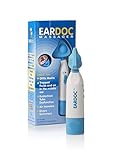
- SUPERB QUALITY: Made to perfection using the highest quality materials. The Eardoc is of premium quality and will serve you for long without getting damaged. It grants you great value for each penny you spend purchasing it.
- WORKS MAGIC: A high-performance ear device that guarantees instant results. It relieves ear pain within minutes and helps treat ear infections. The Eardoc performs its work by draining the fluid, causing ear infections and pain through opening the blockage.
- ERGONOMIC DESIGN: The Eardoc is a non-invasive design that functions by being held behind the ear. It works by generating vibrations through the mastoid bone to the middle ear and opening the Eustachian tube and draining the fluid.
- PERFECT FOR ADULTS& KIDS: Our ear treatment device is child-friendly and safe for adults. It operates entirely through vibration sensation. Ear pain relief is ideal for air travelers, swimmers, and divers. It has been built to deliver exceptional results.
- NATURAL SOLUTION: Designed for external use. The Eardoc effectively treats your infections and relieve pain through vibrations. No chemical or any form of artificial liquid is inserted in your years. The vibrations stimulate fluid movement, opening up the tube.
Last update on 2026-08-21 / Affiliate links / Images from Amazon Product Advertising API
Sharp Pain Behind Ear That Comes And Goes
It is frequently associated with nerve irritation, TMJ strain, or ear and sinus problems. Episodes can last anywhere from seconds to hours and may follow chewing, head movement, or cold.
Simple checks are your jaw movement, recent infections, and posture. The upcoming sections detail probable reasons, alarm signs requiring emergent attention, and actionable self-care measures to attempt at home.
Why Sharp Pain Behind Your Ear?
Sharp, intermittent pain behind the ear can result from a variety of causes. The location, quality, and triggers of the pain help narrow the cause.
Here’s a quick reference table of reasons and symptoms for outer-ear tenderness to inform preliminary diagnosis.
| Cause category | Typical features | Outer ear tenderness |
|---|---|---|
| Nerve irritation (occipital neuralgia, shingles) | Shooting, electric-shock pain; unilateral; triggered by neck movement or touch | Often none, but scalp sensitivity possible |
| Joint/bone (TMJ, arthritis, mastoiditis) | Pain that worsens with chewing or jaw motion; possible swelling | TMJ issues may cause pain felt at the ear rim |
| Dental problems (abscess, impacted tooth) | Deep, aching, or sharp referred pain; local gum swelling | Tenderness if infection spreads near ear |
| Glandular (lymph nodes, parotid gland) | Swelling, pain that increases with eating; dry mouth with salivary blockage | Visible swelling near the earlobe or the jawline |
| Ear infections (otitis externa/media) | Localized ear pain, pressure, hearing changes, drainage | Marked tenderness when the outer ear is touched or pulled |
| Muscular/postural | Dull ache or stiffness; flare with poor posture or prolonged side‑sleeping | Tender neck muscles; sometimes pain behind the ear |
1. Nerve-Related
Occipital neuralgia causes sharp, stabbing pain behind the ear and at the d base of the skull. It arises from irritation or compression of the occipital nerves and manifests as intermittent electric shocks.
Trauma, tight neck muscles from bad posture, or diseases such as diabetes and blood vessel inflammation can set it off.
Shingles can cause this type of sharp pain and is typically followed by a characteristic rash in the nerve distribution. Trigeminal neuralgia seldom affects this specific location but can cause referred sharp facial pain.
2. Joint and Bone
TMJ dysfunction can cause this type of pain because the joint itself sits just in front of the ear canal. Chewing, yawning, or jaw clenching makes the pain worse. Arthritis or jaw misalignment adds a chronic component.
Mastoiditis, which is much less common today, can cause deep, persistent pain along with local swelling behind the ear.
It follows ear infections or trauma. If jaw movement definitively aggravates the symptom, TMJ is your first stop.
3. Dental Issues
A dental abscess or impacted wisdom tooth can radiate sharp pain to and behind the ear. Tooth and gum infections create local tenderness and sometimes visible swelling. Nighttime clenching or bruxism contributes to muscle strain and can mimic both dental and TMJ pain.
If you have dental symptoms or have had recent dental work, think dental origins.
4. Glandular Causes
Swollen lymph nodes around your ear are generally a sign of local infection or inflammation and may be tender to the touch.
Parotid gland issues, such as viral mumps or salivary stones, cause pain that tends to worsen with eating and lead to facial swelling or dry mouth.
Check for any asymmetry or lumps you can feel.
5. Ear Infections
Outer or middle ear infections typically cause sharp pain and tenderness to movement or pressure on the ear. Otitis externa causes the pinna to be tender. Middle ear infections can result in pressure, hearing loss, or drainage.
Recurrent infections account for the intermittent episodes.
Decoding Your Pain at Home
Sharp pain behind the ear that radiates can be caused by several factors. Start by taking clear, dated notes before you attempt remedies.
This quick checklist below helps frame what to watch for and makes conversations with clinicians more productive.
The Sensation
Describe the pain in plain terms: is it a stabbing pinch, a steady ache, a burning heat, or a throbbing pulse?
Observe if it feels skin-deep near the outer ear or deeper, closer to bone and soft tissue.
Gently palpate the region and note if touch, hair combing, or wearing glasses exacerbates it. Map any spread of sensation: does it move into the jaw, down the neck, across the scalp, or toward the ear canal?
These specifically help distinguish causes such as ear-related issues, TMJ, or nerve pain, such as glossopharyngeal neuralgia.
The Timing
Track when attacks start and stop, with times and dates. Record if episodes occur at particular times, such as after waking, late at night, or while working.
Mark activities linked to timing: chewing, talking, yawning, lying on one side, or clenching teeth. Record the duration of each episode—just seconds, a few minutes, or whether it lingers for hours.
Observe for patterns—daily, weekly, or random—and for increasing frequency over days. Recurrent earaches or pain lasting more than three days can be a sign of infection or a more serious condition and should heighten your index of suspicion.

- ALL NATURAL EARACHE DROPS: A pure blend of garlic, mullein, calendula, vitamin E, olive oil & St. John’s wort, these holistic ear drops unclog clogged ears, nourish, reduce inflammation & much more.
- NATURAL DEFENSE PROPERTIES: The ear flushing drops have defense properties to help relieve ear aches & prevent them from recurring. Apply after swimming &/or when pain is detected.
- 100% ORGANIC & MADE IN USA: 100% Non-GMO, Cruelty-Free, Formaldehyde-Free, Paraben-Free, Sulfate-Free & Phthalate-Free, these ear oil drops are pure & potent. No additives. No fillers. No dyes.
- ENJOY AN ARRAY OF BENEFITS: Our ear drops work as ear ache drops, itch relief ear drops, water drying ear drops, ear drops for reliving ear pain & more. We recommend warming the drops for best results.
- SAFE EAR DROPS FOR ALL AGES: Unlike ear drops for adults only, these purely natural nontoxic ear drying drops are safe for young children, infants, toddlers, babies, dogs, cats, the elderly, teens, women & men.
Last update on 2026-08-21 / Affiliate links / Images from Amazon Product Advertising API
The Triggers
- Chewing hard foods, wide yawns, or teeth grinding.
- Whiplash, quick neck turn, or lopsided sleeping.
- Rubbing the spot, helmets, or pressure changes during flights.
- Chill winds on the ear, loud noise, or water in the ear from swimming.
- High-salt meals, alcohol, or very hot and spicy foods if TMJ or inflammation is involved.
- Emotional stress, bad sleep, and fatigue all amplify muscle tightness and pain.
Use a simple pain diary: date, start time, duration, pain rating (0-10), activity at onset, touch sensitivity, and any accompanying signs such as fever, ear discharge, ringing, or hearing loss.
Ear infections such as otitis externa (swimmer’s ear), otitis media, and mastoiditis can come in waves of pain. TMJ disorders masquerade as ear pain because the joint lies adjacent to the ear canal.
Rarely, neuralgias cause brief, severe, lancinating pain. If your pain continues, worsens, or is accompanied by a fever, discharge, or hearing changes, see a doctor for diagnosis and treatment.
When to Seek Medical Advice
Sharp, intermittent pain behind the ear can range from harmless to a sign of serious illness.
Know which warning signs need prompt evaluation, how to tell routine aches from dangerous patterns, and when home care is no longer sufficient.
Concerning Symptoms
- Severe or worsening hearing loss.
- Thick, foul-smelling drainage or pus from the ear.
- High fever (≥103°F / 39.4°C).
- Redness, warmth, or swelling that spreads beyond the ear.
- New facial weakness, drooping, or asymmetry.
- Difficulty swallowing or opening the mouth.
- Rash on face by ear, especially with pain.
- Recurrent ear pain that comes back often or hangs on for many days.
Pus or foul drainage may indicate a bacterial infection, which requires antibiotic treatment. Hearing loss and discharge are concerning for middle ear infections or outer ear infections. Facial weakness indicates cranial nerve involvement and requires immediate attention.
Mastoiditis typically ensues after an untreated middle ear infection and presents as swelling, pain to the area behind the ear, fever, and redness, all of which require urgent hospital referral to prevent serious complications.
Persistent Pain
Persistent pain is the term we use to describe pain extending beyond a few days with no obvious signs of improvement. If pain persists beyond three days or recurs often, consult a provider for evaluation and potential imaging or specialist referral.
Track pain levels if it turns constant or night-worsening, and there is a failed response to over-the-counter pain medicines like acetaminophen or ibuprofen. Keep a brief diary: time of onset, triggers, pain score, meds taken, and impact on sleep, eating, and daily tasks.
This record aids clinicians in determining whether to use watchful waiting, antibiotics, ENT referral, or imaging such as CT or MRI.
Sudden Severity
Seek medical attention for sudden, intense pain. Sudden disabling onset with dizziness, confusion, blurred vision, or loss of consciousness needs immediate medical attention.
If severe pain starts following head trauma, a fall, or a blow to the ear or side of the head, get an emergency evaluation to exclude skull fracture, intracranial injury, or rapidly spreading infection.
Rapid swelling, severe drainage, or systemic signs such as high fever and marked fatigue require immediate attention.
Don’t wait to see a care provider when symptoms intensify rapidly.
Moving fast lowers the chances of serious complications such as mastoiditis or deep-space infections.
The Doctor’s Diagnostic Process
Focused, stepwise evaluation narrows the causes of sharp, intermittent pain behind the ear and guides treatment.
The doctor’s diagnostic process involves mixing history, physical exam, and selective tests to determine whether the culprit is simple muscle tension, ear disease, dental or jaw problems, or a more serious infection requiring urgent intervention.
Anticipate inquiries regarding timing, triggers, accompanying symptoms, and any previous occurrences.
Physical Examination
The doctor’s exam starts with an examination and light palpation of the ear, mastoid area, jaw, and neck for swelling, redness, or tenderness. The clinician will palpate around the mastoid process to look for signs of mastoiditis, including localized redness, swelling, ear drainage, or the ear appearing pushed forward.
They will look for a fever, defined as a reading of 39.4 C (103 F) or higher, which raises concern for serious infection. Jaw function gets a specific assessment.
The doctor will watch jaw opening, side-to-side motion, and bite alignment, and will palpate the temporomandibular joints (TMJ) while you open and close your mouth to reproduce pain.
Nerve checks include facial sensation and muscle strength to rule out neuropathic causes. Lymph nodes and salivary glands near the ear are examined for enlargement or tenderness, which may indicate infection or gland disorders.
Muscle and posture examination included.
Doctors will sense tight neck and shoulder muscles and have you do basic stretches. Muscle tension typically responds within days to rest and conservative interventions. Persistent or progressive pain or repeated bouts impel a more rapid workup.
Imaging and Tests
Imaging is selected depending on suspected etiology. Plain X-rays might reveal dental or bony problems. A CT scan provides detailed images of mastoid or middle-ear bone issues. An MRI is more favorable for soft-tissue, nerve, or joint pathology.
If an ear infection is suspected, clinicians will often request tympanometry or hearing tests and swab the ears to identify pathogens.
Blood tests are useful when systemic infection or inflammation is in the differential. An elevated white count or inflammatory markers point towards infectious etiologies.
Dental X-rays are routine when dental or jaw involvement is suspected, particularly with referred pain patterns.
First-line therapy can be conservative with observation for one to two weeks for resolution. A little stretching, decent posture, and some OTC painkillers are the usual initial prescription.
If a bacterial infection is present, the doctor can treat it with antibiotics. For TMJ or chronic muscle issues, this might involve jaw exercises, night guards, or referral to physical therapy and dental experts.
If symptoms persist or worsen, with high fever or drainage, anticipate more urgent and accelerated evaluation and aggressive treatment.
The Mind-Body Pain Connection

Your mind and body create the pain connection. Neural circuits for touch and threat intertwine, so symptoms can be magnified or muted by stress, focus, and anticipation.
The table below translates common psychological factors into probable physical manifestations and examples.
| Psychological factor | How it affects the body | Example linked to ear pain |
|---|---|---|
| Acute stress | Raises cortisol and adrenaline; increases muscle tone | Clenching the jaw during a deadline triggers brief, sharp pain behind the ear |
| Anxiety | Heightens vigilance and pain focus | Worrying about a sensation makes it feel stronger and more frequent |
| Negative expectation (nocicebo) | Increases pain signaling via anticipation pathways | Reading online forums and expecting pain brings on episodes |
| Depression | Lowers pain threshold; reduces motivation for self-care | Neglecting posture or exercise leads to recurrent stiffness and pain |
| Attention | Redirects neural resources to pain circuits | Focusing on the ear makes minor twinges feel intense |
| Adaptive coping | Engages endogenous pain-inhibiting systems | Practicing breathing reduces pain flare intensity and duration |

- 【Material】- The material of mask ear protectors buckle is premium integrated silicone, soft and anti-slip.
- 【Adjustable】- Three level of girth ensures the mask tightened, suits many people, including kids and adults.
- 【Relieves Ear Pain】- The ear protectors buckle is compatible with most ear cups on the market and relieves the ears of pressure and fatigue.
- 【Easy to Use】- After wearing the mask, pull one of mask strap hook the extender gadget, then finish the other side.
- 【Package Include】- Four pcs mask ear hooks with black colors .
Last update on 2026-08-21 / Affiliate links / Images from Amazon Product Advertising API
Stress and Tension
Stress stiffens the muscles surrounding the ear, jaw, and upper neck, creating focal pressure on nerves and small joints and generating sharp, on-off pain.
We know from research that higher stress and anxiety are correlated with higher reported pain intensity.
Repeated exposure to stress hormones can alter how the nervous system experiences pain. Both simple breathing and short guided meditations reduce sympathetic drive and lower cortisol, which relaxes muscle tone.
Experiment with paced breathing for five minutes whenever a twinge arises. Notice patterns: pain that spikes during meetings, arguments, or exam periods often points to a stress link.
Make small habit changes. Take microbreaks every 30 to 60 minutes, do some quick jaw stretches, and schedule a daily relaxation routine. These stress load reductions can lessen both the frequency and intensity of pain spikes.
Posture and Pain
Head-forward posture and slouching load the cervical muscles attaching near the mastoid area behind the ear.
Over time, that load results in stiffness and sporadic shooting pain. Evaluate your posture at work, in bed, and on the phone.
Fixing your alignment in an ergonomic chair, with lumbar support, or with a firmer pillow decreases muscle effort. Small changes, such as elevating screen height and holding the phone to the ear instead of cradling it, help right away.
Stretching reverses tightness. Short sequences that open the chest, stretch the neck, and loosen the jaw disrupt rigidity loops.
Consistent posture work prevents the buildup that transforms occasional twinges into chronic patterns.
The Anxiety Loop
Worry about the pain heightens attention to it, which boosts perceived intensity, thus creating a self-reinforcing loop. This response is sculpted by your brain’s expectation systems and memory of previous episodes.
Interrupt the loop by redirecting your attention to enjoyable activities, CBT-style thought reframing, or grounding. Establish specific, achievable recovery milestones and measure small victories such as fewer episodes per week.
Use an enjoyable distraction when pain starts. A walk, a song, or a short call with a friend can cut the loop and reduce flare-ups.
Managing Intermittent Ear Pain
Intermittent sharp pain behind the ear could be caused by several things. Understanding what to attempt at home, when to steer clear, and when to get professional assistance keeps you in control of symptoms and reduces the risk of recurring episodes.
Warm or cold compresses relieve mild pain and inflammation. A warm compress helps your muscles relax and relieves pressure caused by Eustachian tube blockage or TMJ tension.
Apply a warm, damp cloth for 10 to 15 minutes, three times a day.
A cold pack wrapped in a thin cloth can help reduce local inflammation after activities that exacerbate pain, such as extended chewing or exposure to loud noise.
Apply for 10 minutes and reassess. Rotate heat and cold if one alone only partially relieves. Cease if skin numbs or irritates.
Use OTC pain killers as directed for immediate relief. Basic painkillers such as acetaminophen or NSAIDs will mitigate pain and inflammation. Take according to dose limits and do not mix meds with the same active ingredient.
If you have stomach problems, kidney disease, or are on blood thinners, consult a pharmacist or clinician before using NSAIDs. In the short term, it can keep you sleeping and working while you tackle root issues.
Stay away from known irritants, like loud noises or hard chewing, if you can. Loud noises exacerbate inner-ear pressure sensitivity. Always wear hearing protection in loud environments.
Hard or chewy foods can irritate TMJ issues, causing pain that radiates behind the ear. Opt for softer foods and cut bites small. Restrict extended unilateral phone or headset use and change postures to avoid muscle tension.
Maintain good posture. Posture-related neck muscle tension is a common source of intermittent ear pain.
Practice good ear, dental, and general hygiene to avoid any more episodes. Rinse outer ears with a washcloth. Do not use cotton swabs that push wax deeper.
Too much earwax can cause blockage and pain. Handle allergies with antihistamines or nasal saline to minimize Eustachian tube dysfunction and fluid accumulation.
Keep your dental checkups up to date, as tooth and gum infections or TMJ dysfunction can mimic ear pain.
If the pain lasts more than three days, returns often, or you develop any hearing change, drainage, fever, or weakness in your face, see a healthcare professional for an ear exam and possibly imaging.
A professional evaluation can identify Eustachian tube obstruction, chronic cerumen impaction, TMJ, or other issues that may cause hearing loss or complications.
Our Conclusion
Sharp pain behind the ear that comes and goes. Local problems such as ear infections, TMJ strain, or nerve irritation exhibit a pattern you can trace.
Stress and tight neck muscles can aggravate the pain. Easy at-home checks, well-kept trigger notes, and fundamental self-care typically relieve symptoms quickly.
See a doctor if the pain remains severe, occurs with fever, hearing loss, or facial weakness.
A specialist will use history, exam, and some tests to identify the cause and develop a follow-up plan.
Maintain a brief pain log, do some gentle stretches, and rest the jaw.
Contact your healthcare provider if pain intensifies or doesn’t subside within a week.

- MAXIMUM STRENGTH EAR ACHE PAIN RELIEF: Liquid gel ear drops contain 4% lidocaine to help temporarily relieve ear pain; Fast-acting formula delivers targeted comfort where applied
- GUARDS AGAINST INFECTION: Formulated with thymol to help guard against infection commonly associated with swimmer’s ear
- LONG-LASTING, COOLING COMFORT: Unique liquid gel is designed to stay where applied for targeted relief; Provides cooling comfort for irritated ear tissue
- DESIGNED FOR SWIMMER’S EAR CONCERNS: Helps temporarily relieve pain linked to water-related ear irritation; A reliable solution for pool days and summer beach trips; 10 mL bottle with child-resistant dropper cap
- TRUSTED EAR PAIN RELIEF: Premium ear care built by science, backed by doctors, and loved by ears; Suitable for adults and children 2 years and older
Last update on 2026-08-21 / Affiliate links / Images from Amazon Product Advertising API
Frequently Asked Questions
What common conditions cause sharp pain behind the ear that comes and goes?
Sharp, intermittent pain behind the ear can originate from ear infections, mastoiditis, temporomandibular joint (TMJ) issues, nerve irritation (occipital neuralgia), or swollen lymph nodes. Seasonal allergies and referred pain from dental concerns can cause this pattern.
How can I tell if the pain is ear-related or from another source?
If you have hearing changes, ear discharge, or pressure, it’s probably ear-related. If pain associated with jaw movement, headaches, or scalp sensitivity occurs, consider TMJ or nerve-related causes. Record accompanying symptoms to aid your clinician.
When should I see a doctor for intermittent pain behind my ear?
Visit your doctor if the pain is severe or worsening, lasts more than a few days, or is accompanied by a fever, hearing loss, facial weakness, or red or swollen skin behind the ear. These symptoms require immediate medical attention.
Can stress or posture cause sharp pain behind the ear?
Yes. Muscle tension from bad posture or stress can pull on neck and jaw muscles, causing sharp, spurting pain behind the ear. As with most small body aches, simple posture fixes and relaxation often reduce symptoms.
What tests will a doctor use to find the cause?
A clinician will do a physical exam, check ear, jaw, and neck function, and may order an ENT exam, hearing tests, blood work, or imaging such as ultrasound, CT, or MRI, depending on the suspected cause.
How can I manage this pain at home before seeing a doctor?
Try warm compresses, gentle neck and jaw stretches, OTC pain relievers, and good posture. Do not chew hard or clench. If symptoms intensify or a fever develops, cease and seek care.
Are there red flags that indicate a serious condition behind ear pain?
Yes. Red flags are high fever, spreading redness or swelling, facial droop, sudden hearing loss, severe persistent pain, or neurological symptoms. These demand immediate medical care.


