

Is Hydrogen Peroxide Safe for Ear Infections? Risks, Evidence, and When to Seek Medical Advice
Our Observations
- While hydrogen peroxide may help soften earwax with its bubbling oxygen action, it is not an effective treatment for ear infections and cannot reach deep-seated infected tissue.
- There is little clinical evidence for using peroxide to treat infections, and most research focuses on wax removal. Stick with medical treatments for suspected middle or inner ear infections.
- Peroxide can irritate or damage the ear canal lining, exacerbate symptoms if the eardrum is perforated, and disturb the ear’s natural protective bacteria. Discontinue use and seek care if it causes pain, bleeding, or worsening hearing.
- Not to be used when the eardrum is ruptured, ear tubes are present, after ear surgery, in chronic ear disease, or in children less than 3 years.
- Safer options are professional cleaning, prescription or targeted medicated drops, and prevention. Keeping ears dry and not jamming things into your ear is important.
- When in doubt, determine the probable infection by symptoms and get a medical exam first before attempting home remedies to prevent delayed diagnosis and complications.

- Contains only food-grade hydrogen peroxide and purified, deionized water. No stabilizers or additives. The hydrogen peroxide solution is NSF Certified to NSF/ANSI/CAN 60 for drinking water treatment chemicals and NSF/ANSI/CAN 50 for pool, spa, hot tub, and other recreational water treatment chemical use.
- 12% Concentration dilutes to produce 4 gallons of standard hydrogen peroxide. Can be used in a spray bottle for various applications.
- Made in the United States in adherence to the highest quality standards. Vent cap ensures safety and stability.
- Effective, eco-friendly kitchen and bathroom cleaner, also acts as a sustainable laundry whitener and stain remover on fabrics and upholstery.
- Used for personal applications including care, hair highlighting, also used for fostering plant oxygenation and natural food preservation.
Last update on 2026-08-20 / Affiliate links / Images from Amazon Product Advertising API
While hydrogen peroxide can help soften ear wax and even reduce surface bacteria, it does not reliably treat middle ear infections.
For outer ear irritation or wax blockage, a 3% solution can provide short-term relief if used cautiously.
Severe pain, fever, or discharge requires medical review and antibiotics.
This post details safe use, risks, and when to seek professional care.
The Peroxide and Ear Infection Debate
Hydrogen peroxide is often used in the ear for earwax removal to loosen and extract wax, but that’s not the same as addressing an ear infection.
Ear infections depend on location and cause, and peroxide’s role is mechanical, not therapeutic.
The subsections below explain how peroxide works, what the evidence indicates, its main limitations, and tips on when to use it.
1. The Mechanism
The oxygen is released by the peroxide upon contact with organic material, causing bubbling that can help loosen compacted earwax and debris. That fizz could loosen scabs and make it easier to dislodge with rinsing or light rubbing.
Bubbling helps to dislodge visible material. It does not reliably kill all bacteria or viruses. Most pathogens lurk beneath or within inflamed tissue, beyond the reach of peroxide.
Peroxide doesn’t get very deep into infected tissue. The reaction is quite superficial, so middle ear infections behind the eardrum or inner ear issues are not addressed.
The oxygen release and local pH change can irritate the thin skin of the ear canal. Frequent use can lead to irritation, dryness, or even a burning sensation, particularly in those with sensitive skin.
2. The Evidence
There is hardly any clinical evidence to support the use of peroxide for ear infections, and what there is, is low quality. Most controlled trials and guidelines revolve around cerumen management versus infection resolution.
Studies usually find benefit for wax softening and removal, rather than bacterial otitis media or chronic suppurative otitis.
A couple of small studies suggest a small benefit for mild outer-ear inflammation when used in conjunction with other care.
Major clinical guidelines from ENT and pediatric societies do not recommend hydrogen peroxide for treating ear infections. They prefer targeted antimicrobial or procedural therapies when the infection is verified.
3. The Limitations
Anatomical factors prevent peroxide from ever contacting the middle or inner ear infections. The tympanic membrane prevents topical agents from reaching the middle ear unless it is perforated.
If the eardrum is already perforated, peroxide can seep into the middle ear and irritate deeper tissues, possibly worsening pain or delaying healing. It can interfere with topical antibiotic drops by altering local conditions.
Using peroxide masks symptoms like discharge or odor, delaying medical evaluation of conditions that require systemic treatment.
Overuse can strip protective oils and disrupt the ear’s microbiome, increasing the risk of recurring issues.
4. The Verdict
Peroxide is not an effective treatment for an ear infection and can pose real dangers if used rashly. It’s best to avoid peroxide, except for the occasional earwax removal.
Proven medications are the best remedies for infections, so know the ear infection symptoms before testing home remedies.
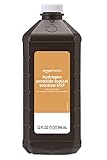
- First aid antiseptic (32 fluid ounces); helps prevent the risk of infection from minor cuts, scrapes, and burns
- 3% hydrogen peroxide formula
- Paraben and phthalate free
- No rubber latex
- If you like Swan Hydrogen Peroxide, we invite you to try Amazon Basics 3% Hydrogen Peroxide First Aid Antiseptic

Last update on 2026-08-20 / Affiliate links / Images from Amazon Product Advertising API
Identifying Your Ear Pain
Ear pain, or earaches, can arise from various locations and have varying causes. Knowing whether the problem is in the outer, middle, or inner ear determines which treatments, including home remedies, are safe and helpful.
Right identification prevents damage from using the wrong remedies, such as pouring peroxide into a sealed ear or on delicate tissue.
- Outer ear (otitis externa): pain localized to the outer ear and ear canal, itching, redness, swelling of the ear canal, tenderness when the pinna is pulled, watery or purulent drainage, potential hearing muffling from debris.
- Middle ear (otitis media): deep, dull, or sharp ear pain behind the eardrum, decreased hearing, a sense of fullness or pressure, fever, and occasionally fluid draining should the eardrum have experienced a rupture.
- Inner ear (labyrinthitis or vestibular neuritis): imbalance or vertigo, nausea or vomiting, acute or gradual sensorineural hearing loss, tinnitus, no apparent ear canal alterations.
Outer Ear
Outer ear infections, commonly referred to as swimmer’s ear, typically have local redness and swelling of the canal, with clear, yellow, or green discharge.
Pain is usually worse when you pull on the pinna or push on the tragus. The tissue lining the canal is tender and swollen in these cases.
We all know peroxide stings and dries out the canal. It can irritate inflamed skin and actually delay healing. Inflammation already compromises the skin barrier; therefore, coupling an oxidizing agent risks exacerbated pain and crusting.
Mild outer ear infections can often be treated with earwax softeners or topical antibiotics or steroid drops prescribed by a clinician, not with home peroxide washes.
Be on the lookout for escalating pain, redness spreading around the ear, fever, or pus draining. These symptoms require urgent medical attention.
If topical care is recommended, use only clinician-approved preparations and adhere to recommendations for frequency and dose.
Middle Ear
Middle ear infections can cause severe ear pain and typically manifest as a dull ache along with a sensation of pressure or fullness in the ears.
Hearing health may be compromised by fluid accumulation in the middle ear, leading to muffled hearing. Fever and general malaise often accompany acute ear infection symptoms, making it crucial to seek effective remedies.
Peroxide in the outer ear is ineffective for treating middle ear infections, especially when the eardrum is intact. In cases of a ruptured eardrum, using peroxide can lead to further complications, including damage to sensitive structures.
If you suspect earwax buildup or experience severe pain, fever, or significant hearing loss, it’s vital to consult a healthcare provider for appropriate treatment.
In many cases, healthcare professionals may recommend over-the-counter pain relievers like ibuprofen or acetaminophen to manage mild discomfort.
It’s essential to avoid inserting any substances into the ear if a perforation is suspected. Instead, follow your provider’s tips for safe earwax removal and treatment for recurrent ear infections.
Inner Ear
Inner ear issues mess with balance and hearing and don’t cause any changes in the canal. Manifestation: Intense vertigo, unsteady ambulation, acute hearing loss, persistent tinnitus – pain is rare or mild.
Peroxide has no business in the inner ear. These are diseases of the cochlea or vestibular apparatus and need systemic or specialist treatment.
Sudden dizziness and significant hearing loss require immediate care. Inner ear problems are not treated with drops or topical applications.
Potential Peroxide Dangers
Hydrogen peroxide is a common household item used for wound cleaning and may seem like a quick remedy for earaches. When placed in the ear, it produces its typical chemical effects, affecting tissue, bacteria, and even hearing health.
However, there are potential downsides to consider before using peroxide for earwax removal or ear infection symptoms.
- Burning or stinging sensation
- Increased pain or pressure in the ear
- Irritation or redness of the ear canal
- Chemical burns on broken skin
- Increased drainage or bleeding
- Temporary or persistent hearing change
Tissue Damage
Hydrogen peroxide liberates oxygen upon contact with tissue. That bubbling action can dislodge gunk, but repeated exposure degrades the skin of the ear canal and erodes the epithelial lining over time.
Small abrasions that are usually harmless can become wider with continued peroxide use.
Open cuts, scratches, or wounds make the canal more susceptible. In those situations, peroxide can cause chemical burns that sting more than a conventional antiseptic. Injured tissue is less able to resist bacteria and repair itself.
When the lining is breached, the risk of secondary infection increases and healing decelerates. Discontinue and seek care if you experience increased pain, visible bleeding, or a raw sensation after peroxide is administered to the ear.
Worsening Infections
Disruption of normal flora: The ear hosts commensal bacteria that limit pathogen growth. Peroxide is nonselective and can kill these helpful microbes, opening room for resistant or opportunistic organisms to flourish.
Mechanical push of pathogens: Instilling liquid into the ear can drive bacteria and debris deeper into the middle ear, especially when performed forcefully or by tilting the head repeatedly. Irritation prolongs inflammation.
Chemical irritation from peroxide increases local inflammation, which can prolong tissue recovery and intensify symptoms.
Biofilm and resistant strains: In some cases, disturbing the surface can promote biofilm formation, where bacteria stick together and resist both the immune response and topical agents. This makes infection harder to clear.
Hearing Loss
Longer-term or repeated peroxide exposure can traumatize deeper tissues. The tympanic membrane (eardrum) and fragile ossicles may be secondarily impacted by chemical injury or by infections that are exacerbated after peroxide use.
Hearing loss can occur after tissue damage, middle-ear extension of infection, or chronic fluid and inflammation that impede sound transmission.
The changes can be subtle at first, such as muffled or distorted hearing.
Any new hearing change after peroxide needs urgent cessation and rapid medical review to avoid permanent damage.

- Similasan Earache Relief ear drops are the #1 Pharmacist Recommended ear pain drop for earache discomfort, clogged ears, and trapped water. Use as often as needed with no known side effects.
- Similasan Earache Relief ear drops stimulate the body’s natural defenses instead of masking earache symptoms like aching ears, clogged ears, and water in ears.
- Similasan homeopathic ear drops are made with natural active ingredients like chamomile, not harsh chemicals. Unlike other ear drops, Similasan Earache Relief drops contain no preservatives.
- For over 40 years, Similasan has been used by pharmacists and families in Switzerland. Similasan is a leading brand of homeopathic remedies with natural active ingredients to keep families healthy.
- Similasan is a Swiss brand dedicated to helping families feel good about feeling better. Our gentle ear drops provide temporary relief from earache symptoms using natural active ingredients.

Last update on 2026-08-20 / Affiliate links / Images from Amazon Product Advertising API
When Peroxide Is Absolutely Wrong
Hydrogen peroxide can foam and soften earwax, making it a potential option for earwax removal, but it is not safe for all ear conditions.
Before any use, people need to know the clear limits. Using peroxide when those limits apply can cause pain, infection, or worsen an existing ear condition.
The following sections explain specific cases where peroxide must not be used, why it is risky, and provide practical examples so readers can assess real-world situations.
Prohibit use if the eardrum is perforated or tubes are present
If there is a hole in the eardrum or tympanostomy tubes, do not put peroxide into the ear. A perforated eardrum allows fluid to enter the middle ear space.
Peroxide can reach delicate middle ear structures and cause irritation, ototoxic effects, or secondary infection. A swimmer with sudden ear drainage after diving likely has a perforation.
Applying peroxide risks middle ear inflammation and pain. If tubes are present, any solution can travel through the tube to the middle ear and mastoid, creating foam pressure and discomfort. If you suspect a perforation or have tubes, seek professional assessment before any ear irrigation or drops.
Forbid use in cases of chronic ear disease or recent ear surgery
When peroxide is dead wrong. Chronic disease changes ear anatomy and tissue strength, making chemical agents damaging. Peroxide could actually increase inflammation or slow healing. Following ear surgery—tympanoplasty, mastoidectomy, or tube insertion—tissues require a sterile, controlled environment.
Even mild bubbling can dislodge grafts or sutures. For example, a person six weeks after eardrum repair using peroxide might experience graft detachment or introduce microbes.
Follow the surgeon’s post-op care plan instead.
Warn against use in children under three years old
Little ones have smaller ear canals and floppier tissues. They can’t necessarily report pain or dizziness. Peroxide can cause sudden irritation, coughing reflex, or aspiration if too much fluid is ingested.
Examples include a toddler who resists treatment and may inhale fluid or develop acute pain and agitation.
Parents should never self-administer peroxide without pediatric advice. For babies and toddlers, stick to treatments recommended only by a pediatrician.
Checklist — When not to use hydrogen peroxide in the ear:
- Known or suspected eardrum perforation
- Presence of tympanostomy tubes
- Recent ear surgery (within surgeon’s advised healing period)
- Chronic ear disease with active drainage
- Children under three years old
- Severe ear pain, vertigo, or sudden hearing loss
- Uncertain diagnosis or inability to see a clinician
The Hidden Cost of Self-Treatment
Self-treatment with hydrogen peroxide for ear problems, such as earwax buildup or earache, is straightforward and appears low-cost, but it has genuine clinical and practical downsides that alter both outcomes and cost.
Consider several home remedies and consult a healthcare provider before trying peroxide.
Delayed diagnosis and care
Peroxide can wipe away surface earwax or produce bubbling that makes it seem like it’s working. This effective way to manage earwax buildup can mask persistent middle-ear conditions like acute otitis media or a perforated tympanic membrane.
Patients often delay seeking care from a healthcare provider, which can lead to complications such as recurrent ear infections or worsening ear infection symptoms over time.
Late visits mean clinicians lose time for targeted tests like otoscopy, pneumatic otoscopy, or tympanometry. These tests are essential for determining whether an active ear infection is present or whether hearing health is compromised.
Waiting for treatment allows an infection to spread from the outer ear to deeper structures, complicating treatment and prolonging recovery.
For students or office workers, an extended illness can result in missed tests, lost shifts, or reduced output. It’s crucial to address symptoms like severe ear pain or muffled hearing promptly to avoid further complications.
Costly complications from misuse
Improper concentration, amount, or aggressive irrigation may damage the ear canal or eardrum. A perforated eardrum can result in persistent ear drainage, the requirement for topical antibiotics, or possibly tympanoplasty surgery.
Chronic external otitis caused by repeated peroxide douching could mean months of antibiotic therapy and frequent trips to an otolaryngologist.
Beyond their direct costs, these interventions can incur indirect costs, such as time off work and follow-up exams.
Imaging or ENT referral adds cost and delays. For those without robust health insurance, a seemingly inexpensive home cure can turn into a crushing expense.
Masking symptoms and allowing severity to increase
Peroxide may temporarily reduce pain or discharge, which can mask ongoing pathogen growth and mimic healing.
Masked fever, subtle hearing loss, or vestibular symptoms might go unnoticed until they exacerbate.
A partially treated, partially suppressed symptom constellation complicates clinical diagnosis and increases the risk of complications such as mastoiditis or chronic conductive hearing loss.
For travelers or those living far from medical care, this masking is even more dangerous because the real signs of spread don’t appear until late.
Weighing risks versus benefits
Consider ear history, symptom severity, and access to care. If symptoms are mild, brief, and likely due to surface wax, one low-concentration rinse might help, but don’t repeat it. Watch for pain, bleeding, or hearing loss.
Have fever, severe pain, discharge, trauma, or hearing loss promptly reviewed by a doctor. When in doubt, get a diagnosis rather than a quick intervention. Early clinical care usually saves you from higher costs and worse outcomes.

- FAST ACTION: BigWave Drops introduce a modern bio-activated formula, incorporating advanced science to enhance your ear care routine.
- EAR DROPS FOR: Surfers, swimmers, extreme water athletes, people who get water in their ears, people who use hearing aids and ear pods, and anyone who experiences discomfort from itching, irritation, or clogged ears.
- APPLY: Tilt your head to the side and slowly apply 1-3 drops to your ear. Let sit for 5-10 seconds. Place a clean cloth outside your ear and return your head to upright. Gently wipe away excess drops and repeat on the other side. Use up to 2x’s daily.
- VALUE PACKED: BigWave Drops Advanced Ear Drops are presented in a generous 2 oz glass bottle, providing more than double the volume offered by other ear drop alternatives. Our packaging is fully recyclable.
- TRUSTED BRAND: BigWave Drops is the number one choice among professional surfers, swimmers, and water athletes. Our ear drops are designed and manufactured right here in Ventura, California. Happily tried in big waves around the world.
Last update on 2026-08-20 / Affiliate links / Images from Amazon Product Advertising API
Safer Ear Care Alternatives
Ear pain and presumed infections, such as those caused by earwax buildup, require harm-reduction-based, proven treatment. Here are several home remedies that do not rely on hydrogen peroxide, with clinical rationale and examples to help readers choose safe care options.
Professional Cleaning
Get that hard wax or gunk removed by a professional. Audiologists, ENTs, or trained nurses use otoscopes to inspect the canal and may remove wax by micro-suction, curettage, or gentle irrigation under direct vision.
These techniques allow the practitioner to avoid forcing debris further into the ear and reduce the risk of puncturing the eardrum.
They use sterile instruments and follow regulated procedures to reduce the risk of infection.
For instance, micro-suction uses a tiny vacuum tube near the ear entrance and is effective for solid, impacted wax without pumping in fluids that can sting a ruptured membrane.
Professional cleaning circumvents the chemical irritation that OTC agents can cause.
For chronic buildup, get regular checks every six to twelve months or sooner if you experience fullness, hearing loss, or discomfort.
Medicated Drops
Use prescription or over-the-counter ear infection drops when appropriate. Topical agents include antibiotic drops for bacterial infections and antifungal drops for otomycosis, some of which are combined with an anti-inflammatory steroid to reduce swelling and pain.
Medicated drops target specific bacteria or fungi and often work faster than systemic pills for external infections. Match the agent to the diagnosis: ciprofloxacin or ofloxacin drops for many bacterial outer-ear infections and clotrimazole drops for fungal cases.
Systemic antibiotics are for middle-ear involvement or when there is a risk of spreading.
| Drop type | Typical use | Notes on effectiveness |
|---|---|---|
| Fluoroquinolone drops (ciprofloxacin) | Bacterial external otitis | Broad coverage, safe with tympanic membrane intact or known perforation only for selected agents |
| Aminoglycoside drops (neomycin) | Bacterial external otitis | Effective but can harm the inner ear if the membrane is perforated |
| Antifungal drops (clotrimazole) | Fungal otitis externa | Works well in humid climates or for swimmers |
| Steroid-combination drops | Reducing inflammation + antimicrobial | Speeds symptom relief, follow dosing exactly |
Adhere strictly to dosing directions to prevent side effects such as local irritation, increased intra-aural pressure, or ototoxicity. If pain intensifies or hearing decreases, discontinue drops and seek care.
Prevention
Keep ears dry and clean to reduce the risk of infection. After water exposure, tip the head and blot the outer ear dry. Use a soft towel or a low-heat hair dryer at arm’s length.
No cotton swabs or any other items that can abrade the canal or compact wax deeper. Use earplugs when swimming or bathing if you get recurrent infections.
Soft silicone plugs that fit many adults are available and cut off water ingress. Maintain good overall hygiene by managing allergies and treating eczema to prevent recurrence.
Treat chronic nasal congestion and reflux where applicable, as they can change middle-ear ventilation and increase risk.
Our Conclusion
While peroxide can clear wax and provide temporary relief, it does not cure most ear infections. It can sting, damage skin, and trap infection further inside. For cuts or a ruptured eardrum, peroxide can make the situation worse.
Get care if pain is stabbing, fever is high, hearing falls rapidly, or fluid drains from the ear.
Try a warm compress, over-the-counter pain relievers, and gentle cleaning of the outer ear while you wait. Use saline or mineral oil for mild wax as necessary.
For recurring issues, consult a clinician about specific drops or a mild in-clinic cleaning.
Rely on short-term solutions just for plain wax. For actual infection, get a professional check! Schedule an examination or contact a nearby clinic today.

- Herbal Ear Care Oil: Marie Originals Mullein Garlic Ear Oil Drops are made with a botanical oil blend designed for general ear care and routine use.
- Botanical Ingredient Blend: Features Mullein Flower, Garlic, Calendula, St. John’s Wort, and Tea Tree in an oil-based formula.
- Oil-Based Formula: A gentle herbal oil blend intended to support everyday ear care routines.
- For Routine Ear Care: Convenient 1 fl oz bottle for home use as part of a general personal care routine.
- Made in the USA: Manufactured with carefully selected ingredients and packaged for simple, everyday use.
Last update on 2026-08-20 / Affiliate links / Images from Amazon Product Advertising API
Frequently Asked Questions
Does hydrogen peroxide treat ear infections?
Hydrogen peroxide can loosen earwax and clean the outer ear, making it an effective way to manage mild discomfort from ear conditions. However, it does not reliably treat middle or inner ear infections, so consult a healthcare provider if you suspect an ear infection.
Is it safe to put hydrogen peroxide in my ear?
Not necessarily. It can inflame the ear canal, burn the skin, or hurt, especially in cases of ear infections. Don’t use it if you have a perforated eardrum, recent surgery, or severe ear pain.
What concentration of peroxide is used for ears?
Clinicians generally advise using 3% peroxide or less for earwax removal. This effective way of cleaning ears should always be diluted as recommended, ensuring you consult a healthcare provider to avoid damage.
How should I use peroxide to safely remove earwax?
Tilt your head and use a diluted hydrogen peroxide solution, dropping in a few drops to help with earwax buildup. Wait a few minutes and drain, avoiding Q-tips to prevent further blockage.
When should I see a doctor instead of using peroxide?
Seek medical attention for fever, intense pain, discharge, or hearing impairment, especially if experiencing earache symptoms that persist after several home remedies. These signs indicate an active ear infection or injury requiring medical intervention.
Can peroxide make an ear infection worse?
Yes. Peroxide can irritate already inflamed tissue and exacerbate earache pain or postpone correct treatment. Avoid self-treatment if you believe there is an active ear infection.
Are there safer alternatives to peroxide for ear problems?
Yes. Warm saline rinses, professional ear irrigation, and prescribed eardrops are safer remedies for earache. Ask your doctor for the optimal choice.


